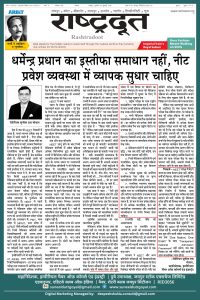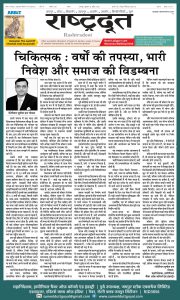
?????????? ?????? ?? ??????? ?????? ????, NEET ?????? ???????? ??? ?????? ????? ?????
??? ??? ?? ?? NEET ??????? ??? ??? ??, ????? ???? ????? ?? ?? ???? ??? ??? ???? ?? – ???? ???, ??????? ???? ???? ?? ????, ?????? ?????? ?? ??????? ???? ?? ????, ????? ????????? ?? ?? ??????? ???????? ???????? ??? ???????? ????? ???? ???, ???? ?????? ?? ?????? ???? ???, ????? ?????????? ???? ???, ????? ????? ??????? ?? ???????? ???????? ????? ?? ?????? ??? ???? ? ??????
?????? ?? ?? ?? ??? ?????? ?????? ??????? ?? ???, ????? ??? ??? ?? ?????? ???? ?? ??, ?? ???? ???? ??? ???? NEET ???????? ?? ?????? ????? ?? ??? ??? ??????
??? ????? “????” ??, ?? ?????? ?? ?? ???? ?????? ???? ?? ???
???? ?? ?? ???? ??????? ????? ?? ???????? ????, ????? ???? ?????? ?????? ???????? ?? ???????? ?? ???????? ???
NEET ?? ???? ???????? ???? ???
??? ???? ???? ?? ???? ??? ?????? ?????? ???? ??? ????? ??? ???????? ???
???? ?? ????? ?? ???? ?????? ?????? ??????? ???? ???
???????? ??? RPMT, ???? ?????? ??? MPMT, ????? ?????? ??? UPMT ???? ????????? ?????? ???? ????
???? ?????? ??????? ?? ??????????????? ?? ???-??? ?????? ????????? ???? ????
?? ????? ?? ?? ??????? ??? ???-??? ????? ???? ????? ???
???-??? ??????? ?? ????????? ???? ????? ????
???-??? ????? ???? ???? ????
??????????? ??? ?? ??? ?????? ??? IIT, AIEEE, ????? ?????? ?????????, ???? ????????????? – ?? ??? ??? ????????
?? ???????? ??? ?????? ??? ?? ????? ????? ???? ???? ???????? ???? ??? ?? ?????? ??????? ??, ?? ???? ??? ??? ????????? ????? ???? ??? ????? ???????? ???? ????? ??? ?? ?????? ?? ????? ?? ???? ???
NEET ?? ???? ?????
NEET ???? ?? ?????? ??????? ??? ?? ?????????? ??? ???
???? –
???? ??? ?? ??? ?? ???? ??????? ???? ????
????????? ???? ?? ????? ???? ????
???? ?????? ????????? ?? ???????? ?????? ????
??????? ?? ??? ?? ?? ????? ????
?????? ????????? ???? ?? ????? ??? ???? ???????? ????
?? ????? ?? ???????? ??????? ?????? ??? ?? ?????? ???? ???
?? ?? ???? ????????
NEET ???? ???? ?? ??? ???? ?????? ??????? ??? ?????? ????????? ???? ???????? ????
???? ?? ??????? ??? ???????? ??? ?? ?????? ?????? ?????? ?? ???? ?????? ?????? ???? ??? ???-??? ?? ?????????? ?? ??????? ???????? ?? ?? ???????? ?????? ??? ?????????? ?????? ?? ???????? ???? ???
?? ?? ?????? ????? ??? ?? ?? NEET ?? ??? ??? ?????? ??????????? ?? ???? ?? ?? ????? ????
??? ???? ?? ?? ???? ????? ?? ?? ?? ?? ?????? ?????? ???????? ?? ?????? ????????? ?? ?? ????? ??? ???? ???? ?? ?? ???????? ??? ?? ???? ?? ???? ??, ????? ???? ???????? ?????? ????? ???? ??????
????? ???? ?????? ??? ?? ???? ??
???? ?? ???????? ?????? ???? ???? ???
???? ??? ??????? ????????? ???
????? ?????? ???????? ????????? ???? ???
?? ?? –
???????? ????? ?? ??? ????????? ???
???????? ????? ?? ??? ????? ???? ???
???? ?????? ???? ??? ???
?????? ?? ?????? ??????? ??? ???-??? ???
??-?? ???-??? ???
????? ?? ????? ???-??? ???
???????
???? ??? ??????? ???? ???? ?? ????????????? ?? ?????? ???? ????? ????? ?? ??? ???? ???
??? ???? ???? ????????? ???
?? ????? ?? ????
??? ?? ??? ?? NEET ???????? ?? ????????? ??? ?? ?? ?????? ?????, ?? ??????? ?? ???? ???? ?????? ???
???? ???? ?? –
“??? ???? ???? ??? ?? ?? ??????? ??, ?? ???-??? ??????? ??? ???-??? ??? ?? ????? ????? ????? ??? ????? ???? ?? ??? ???? ??, ????? ?????? ?????? ??? ???? ??????? ????? ???”
?? ?????? ???? ?? ????? ?? ???? ???
?? ????? ??????? ?? ?????? ???
???? ??????? ?????? ????
?? ????? ?? ??? ???? ???? ???? ???? ?? –
“?????? ?????? ??????? ????”
????? ???? ???? ?????? ?????? ?? ??????
??? ?? ??? ?????? ??? ?? ???, ?? ???? –
???????? ??? ??-?? ?????? ?? ??????
????? ?? ??? ??? ?? ??????
????????? ?? ???? ?? ??????
??????? ?? ?????????? ???? ?? ??????
?????? ????? ?? – ?????
???????? ?????? ???
????? ???????? ?? ?????? ????? ???-??? ????? ????
???? ???? ????? ???? ????
???? ???????? ??? ?????? ?? ??? ???? ???
????? ??? ??????? ?? ??-??, ???-???, ???-??? ???? ?????? ??…
??? ???????? ?? ???? ???? ?????? ????…
?? ?? ??? ??-?? ????? ?? ???? ?? ???? ???…
???? ???? ??? ??? ??? ???
?? ????? ?? ??? –
“???? ???? ????????? ??? ???? ???? ??? ???? ??? ??? ????? ??????? ???? ??? ??? ????? ???????? ???? ?? ????? ?? ??? ???? ???? ?? ???? ?????? ??? ???”
?? ???? ????????? ??? ???? ???
?? ?? ?????? ???? ?? ???????? ?????? ?? ?????? ????? ???????? ???? ????
?????? ??????? ?? ?? ???????? ??????
?????? ?????? ???? ??? ?? ????? ???? ?? ??? ???
?? ?????? ???????? ?? ?? ????? ?? ???? ???
???? ?? ?????? ?? ??? ??????? ???
???? ?? ??? ????? ?????? ???
???? ?? ??? ???? ?????? ????? ?? ??? ???? ?? ?????? ???
?? ????? ??…
??? ????? ?? ??? ?????? ?????????? ?? ?????? ???? ???
?????? ???? ???? ???? ?????? ?????? ???
??? ?? ?? ??-?? ??? ?? ???? ?? ???? ???
?? ????? ???? ??????? ?? ???? ???? ?? ?????
??? ??? ????? ???? ?? ???? ???? ??? ?? ???? ?? ????? ?? ???? ????? ?? ???? ?? ?????? ?????? ??????? ??? ????? ?? ??? ??? ?????????? ????? ???? –
1. ????????? ??????? ?? ??? ????????? ?????????
?? ??????? ?? ??, ?? ?? ?? ?? ???? ????????? ?????? ???? ?? ???? ???? ??????
2. ??? ?????? ??????? ?? ???????? ????? ?????? ???? ????????? ??
?? ????? ?? ???????? ?????? ?? ????? ?????? ???? ?? ????????? ?????? ?? ?????? ???
3. AI ?????? ??? ?????????? ??????
?????????? ???? ???, ?????? ?? ????? ?? ???? ?? ???????? ??????? ??? ????
4. ?????? ????? ??? ???? ???? ?? ??????
?? ?? ????? ???? ???????, ?? ?? ????? ?????? ???? ??????
5. ???? ?????? ??????? ??? ????? ??????????
?????, ???, ?????? ????????? ?? ????? ????? ?? ???? ????? ????????? ???
6. ??????? ??????? ?? ???????? ??????????
???? ??? ?? ????? ???????? ???? ????? ????
7. ?????? ????????? ??????
???-??? ??????? ???? ???? ??????? ?? ??? ????????? ???? ?? ???????????? ?????? ?? ????? ????????? ?????? ???? ????
??? ??????? ????????? ???? ?? ?? ???? ??, ?? ?? ?? ?? ?????? ????????? ??? ?? ???? ??????????, ???? ?? ????????? ???????? ?? ?????? ???????? ?? ????? ????? ???? ??????
??????? ????, ???? ?? ????????
NEET ?? ??????? ???? ???? ???
??????? ?? ???????? ?? ?????? ???? ???
??? ????? ???? ???????? ?? ????? ???, ?? ???? ???? ??? ??? ????? ?????
??? ???????? ?????, ??? ?????? ?????? ???????
???-?????? ????? ????? ?? ?? ???? ??????
????? ?? NEET ?? ???? ????????? ????????? ?? ??????????? ??? ?????? ???????? ??? ????? ?? ??? ???? ??????? ?? ????????? ??? ?? ???????? ????? ???? ?? ??? ??? ?? ????? ??????? ??????, ?????? ???????, ???? ??? ????? ?? ??????? ????????? ?? ???? ????????? ????? ?? ??? ??? ????? ???? ??, ?? ?? ??????? ??? ?? ?????? ????? ??? ?????
????? ?? ?????????? ?????? ??? ?? ????????? ???
???? ????? ???? ??????? ?? ????? ?????, ?? ??????? ?? ??? ?? ?????? ????????? ?? ???? ?? ???????? ??????
????? ???? ??????? ????? ?? ??????? ???? ???????? ??????? ????? ?? ????, ????? ?? ?? ?? ?? ?? ??????? ?? ??? ?? ???? ?????? ??????? ?? ???? ????-??????, ???????? ?? ?????-???????? ????? ?? ??? ?? ????? ??? ??? ????? ?? ??????? ???????????? ??? ???? ??, ?? ????? ?? ???? ??? ??? ???? ?? ??? ???????? ???? ???? ???? ?? ????? ???? ??????
??????? ???? ?? ????? ?? ?????? ??????? ?????? ?? ???? ?????? ???? ????; ???? ?????? ?? ?????? ??? ?? ??? ???? ???? ???
????????
NEET ??????? ??? ????? ???? ?? ????? ???? ??? ????, ????? ?????? ?? ?????, ?????? ?? ???????? ?? ???? ?????? ???? ??????? ???? ??? ?????? ???? ???
???? ???????? ?? ?????? ???? ????? ??? ????, ????? ???? ??????? ??? ???????
?? ???????? ???? ?? ??????? ?? ???? ?????? ?? ????, ????? ???? ?????? ?????? ????? ?? ???????? ??????? ???? ?? ???
??? ???? ?????? ??? ??????? ??????, ???????? ?? ???? ???? ???? ???????? ?????? ??????? ????? ????? ??, ?? ?? ??? ? ??? ?? ?? ??? “??? ??????? ????” ?? ??? ????? “???????? ???? ???????” ?? ???????? ???
NEET ?? ?????? ???? ??????? ???? ??; ???? ?????? ??????? ?? ??? ???? ???? ???? ?????? ???????? ??? ?? ?? ‘One Nation, One Exam’ ?? ??? ‘Transparent National Admission Framework’ ???? ?????, ?? ?? ????? ?? ???? ????????
??? ??????? ?? ??? ???????? ????? ?????
???????? ????? ???? ????
?????????, ????????? ????? ??? ?????? ??? ?????????
????? ?????????, ????? ????? ???????? ???????
?????, ????????
———————————————
Dharmendra Pradhan’s Resignation Is Not the Solution ? India Needs Comprehensive Reform of the NEET Admission System
Whenever NEET becomes controversial in India, the public debate almost always follows the same script. The conversation revolves around paper leaks, whether the exam should be cancelled, whether the Education Minister should resign, whether the government is responsible, or whether the opposition is politicising the issue. Television studios host heated political debates, social media trends dominate the news cycle, and press conferences become routine.
Yet amid all this noise, the real concerns of millions of students rarely become the centre of the discussion.
The real question is this: even if the Education Minister resigns, the government changes, or the opposition stages protests, will a single NEET aspirant automatically receive a medical college seat the very next day?
If the answer is **no**, then it is obvious that the actual problem lies elsewhere.
Today, India does not merely need reforms in the examination process?it needs a complete overhaul of the medical admission system.
What Was the System Like Before NEET?
Until a few years ago, medical admissions in India were highly fragmented.
Almost every state conducted its own medical entrance examination. Rajasthan had RPMT, Madhya Pradesh had MPMT, Uttar Pradesh had UPMT, and several other states followed similar models.
Private medical colleges and universities also conducted separate entrance examinations.
As a result, students had to submit applications to multiple states, travel to different cities, appear for several entrance exams on different dates, and compete through multiple merit lists.
Engineering admissions were no different. Students had to prepare separately for IIT entrance exams, AIEEE, state engineering examinations, and private university tests.
This system disproportionately disadvantaged economically weaker students. Families with financial resources could afford to send their children across the country for multiple examinations, while students from modest backgrounds were limited to only a handful of opportunities.
### What Did NEET Change?
The introduction of NEET marked one of India’s most significant education reforms.
It brought several important improvements:
* A single entrance examination for the entire country.
* A national merit list based on one common examination.
* Elimination of multiple medical entrance tests.
* Significant savings in both time and money for students.
* A more transparent admission process compared to the previous system.
The primary objective of NEET was to promote merit-based selection through a common national examination.
### Another Major Change
NEET also brought greater regulation to admissions in private medical colleges.
Before NEET, concerns were frequently raised in several states regarding capitation fees, donations, and arbitrary admission practices. Over the years, courts and various expert committees had repeatedly emphasised the need for greater transparency in medical education.
There is a widely held perception that NEET significantly curtailed many of these practices.
For this reason, many observers believe that stakeholders who benefited from the earlier admission system may not have welcomed these reforms. This remains a matter of political debate, but it certainly deserves objective and independent study.
### But the Real Problem Still Exists
This is where the more important conversation begins.
India now has a **national examination**, but it still does **not** have a national admission system.
Even today:
* Every state conducts its own counselling process.
* Every state has its own State Quota.
* The All India Quota functions separately.
* Reservation policies differ from state to state.
* Cut-offs vary across states.
* Seat allocation mechanisms are different.
The result is a striking contradiction.
Two students with exactly the same NEET score can end up with completely different futures simply because they belong to different states.
This is perhaps the biggest inconsistency in India’s medical admission framework.
### A Student’s Question
Recently, a NEET aspirant publicly raised a question that goes far beyond politics.
The student asked:
> “If there is only one examination for the entire country, why do different states require different scores for admission? We speak about One India, yet why is there so much inequality in medical admissions?”
This is not merely one student’s concern.
It is the question being asked by millions of aspirants across India.
### Resignation Alone Is Not the Answer
After every controversy, the first political demand is usually:
**”The Education Minister must resign.”**
But would that actually solve the problem?
Even if a minister is replaced tomorrow, will:
* Different state-wise cut-offs disappear?
* The shortage of medical seats be resolved?
* Counselling become uniform across the country?
* Students’ uncertainty come to an end?
The answer is clearly **no**.
Accountability is important.
But accountability and lasting solutions are two entirely different things.
### Whose Voice Should We Be Listening To?
Television debates are dominated by politicians.
But who is listening to the students who have spent two, three, or even four years preparing for NEET?
Who is listening to the families that borrowed money to pay for coaching?
Who is listening to those who miss admission by just one or two marks every year?
One student recently said:
> “I consistently scored the highest marks in my coaching institute. But I couldn’t perform well on the day of the exam. One bad day has put my entire future on hold.”
This is not merely an emotional statement.
It reflects the immense psychological pressure under which millions of NEET aspirants live.
### Economic Inequality Is Also a Major Challenge
Medical admission is no longer just a competition of academic performance.
It has increasingly become a competition of financial resources.
Some students come from families that own hospitals.
Some can afford the country’s most expensive coaching institutes.
Some have the financial capacity to pay the fees of private medical colleges.
Meanwhile, another student rides a ten-year-old motorcycle to coaching classes while the family takes loans to finance the preparation.
Yet even after all those sacrifices, that student may miss admission by just one or two marks.
This pain cannot be fully understood through statistics alone.
### If I Were a Member of Parliament…
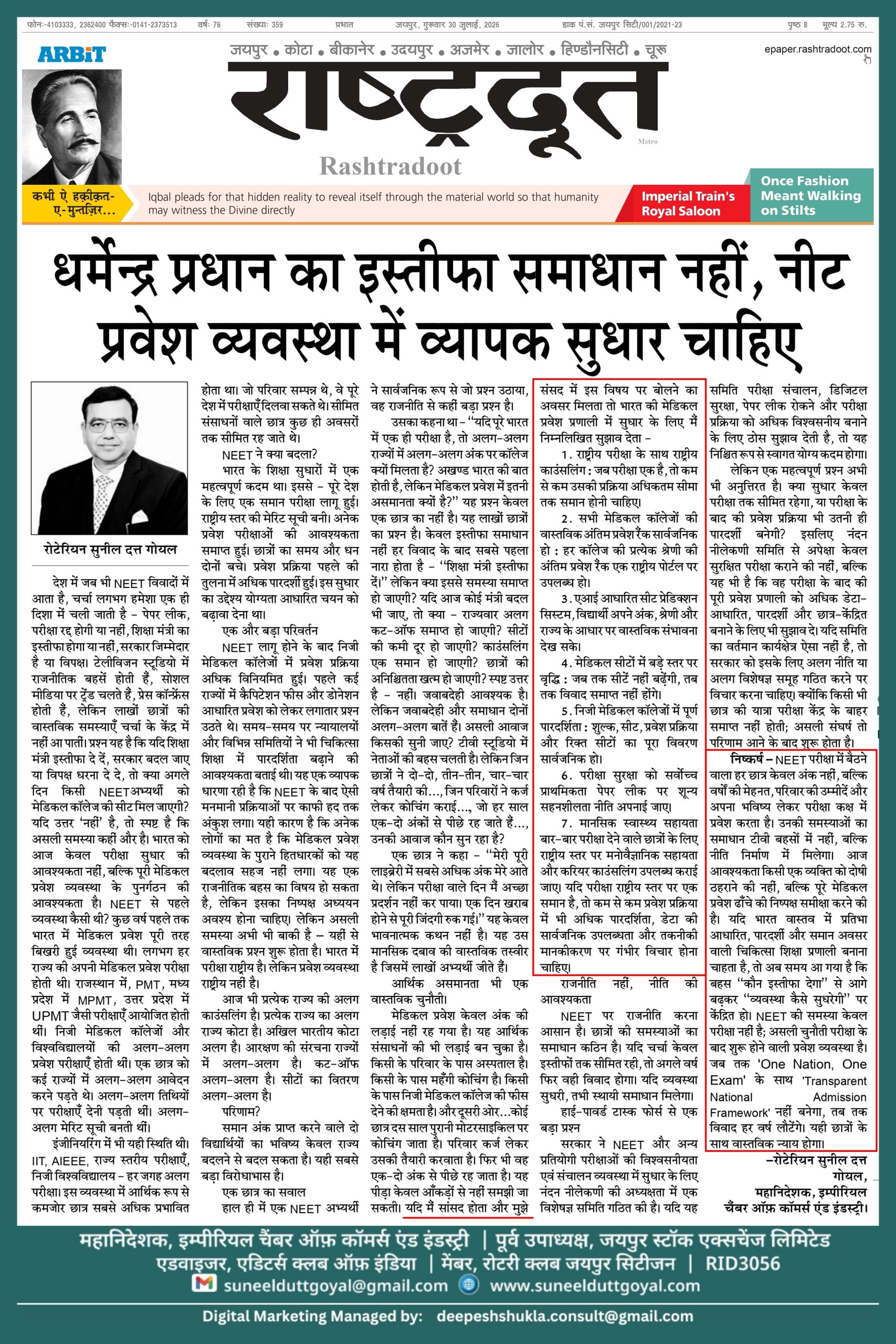
If I had the opportunity to speak in Parliament on this issue, I would recommend the following reforms for India’s medical admission system:
**1. National Counselling Alongside a National Examination**
If the examination is common for the entire country, the admission process should also be as uniform as possible.
**2. Public Disclosure of Final Admission Ranks**
The final admitted rank for every category in every medical college should be published on a national public portal.
**3. AI-Based Seat Prediction System**
Students should be able to enter their NEET score, category, and state to receive realistic admission probabilities based on previous years’ data.
**4. Significant Expansion of Medical Seats**
Without increasing the number of seats, controversies will continue year after year.
**5. Complete Transparency in Private Medical Colleges**
Fee structures, seat availability, admission procedures, and vacant seats should be fully disclosed in the public domain.
**6. Zero Tolerance Towards Examination Security Breaches**
Paper leaks must be treated with absolute seriousness through a zero-tolerance policy.
**7. Mental Health Support**
Students appearing repeatedly for NEET should have access to national-level psychological counselling and career guidance services.
If the examination is conducted uniformly at the national level, then serious consideration should also be given to making the post-examination admission process equally transparent, data-driven, and technologically standardised.
### India Needs Policy, Not Politics
Politicising NEET is easy.
Solving students’ problems is much harder.
If public discussion remains limited to demands for resignations, the country will witness the same controversy again next year.
Only structural reform can provide a lasting solution.
### A Bigger Question for the High-Powered Task Force
The Government of India has constituted a high-powered expert committee chaired by Nandan Nilekani to recommend reforms aimed at improving the credibility, security, and administration of NEET and other competitive examinations.
If the committee proposes robust measures to strengthen examination security, improve digital systems, prevent paper leaks, and enhance the integrity of the examination process, those recommendations would undoubtedly be welcome.
However, one important question still remains unanswered.
Will the reforms stop at the examination itself, or will they also address the admission process that begins after the results are declared?
Therefore, expectations from the Nandan Nilekani Committee should extend beyond conducting secure examinations. It should also consider recommending ways to make the entire post-examination admission ecosystem more transparent, data-driven, and student-centric.
If the committee’s current mandate does not include admission reforms, then the government should seriously consider establishing a separate policy framework or an independent expert group dedicated specifically to medical admissions.
After all, a student’s journey does not end when they leave the examination hall.
In many ways, the real struggle begins only after the results are announced.
### Conclusion
Every student who walks into a NEET examination hall carries far more than an admit card.
They carry years of hard work, their family’s aspirations, and their hopes for the future.
Their concerns will not be resolved through television debates or political slogans.
They require thoughtful policy reform.
Today, India does not need to focus on blaming one individual. It needs an objective and comprehensive review of the entire medical admission ecosystem.
If India truly wishes to build a merit-based, transparent, and equitable medical education system, then the national conversation must move beyond asking, **”Who should resign?”** and instead ask, **”How do we fix the system?”**
The challenge facing NEET is no longer confined to the examination itself.
The larger issue lies in what happens after the examination?the admission process.
Until **”One Nation, One Exam”** is complemented by a **Transparent National Admission Framework**, the same controversies are likely to return year after year.
That is what genuine justice for India’s students would look like.
**Rotarian Suneel Dutt Goyal**
Director General, Imperial Chamber of Commerce & Industry
Ex. Vice President, Jaipur Stock Exchange Limited
Jaipur, Rajasthan