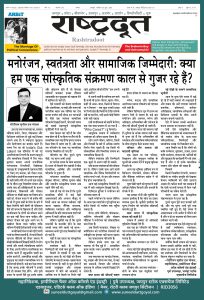

???????, ?????????? ?? ??????? ??????????: ???? ?? ?? ?????????? ??????? ??? ?? ???? ??? ????
??? ?? ?????? ??? ?????? ??, ???? ?????? ??????, ?????, ???????? ?? ?????? ??????? ?? ????? ?? ????? ????? ?? ???? ?? ???????? ?????? ?? ?????????? ?? ???????? ???? ???? ??? ???? ?? ?? India’s Got Latent ?? ?????? ??? ?? ?? ????????? ??????? ?? ???? ?????? ?? ??????? ??????? ??? ??? ???? ????? ????? ???? ???????? ???????????? ??????????, ??????? ?????????? ?? ????????????? ????? ????? ?? ??? ?? ??????, ?? ???? FIR ?? ????? ?????????? ?? ????? ?? ???? ????
???? ?????? ???? ?? ???? ?? ???? ?? ?? ????? ??? ??????? ????? ?? ???? ??? ?? ????????????? ?? ???? ??????, ???????? ?? ???? ?????? ?? ???? ??? ?? ???? ???? ???? ??. ???? ???? ?? ?? ?????? ???? ?? ?? ??? ????? ???? ?? ???? ?? ???? ??? ???? ?????? ????? ????? ?? ?????? ???? ?? ??? ?? ????? ??? ?? ??? ???????? ?? ????? ?? ?????? ???? ?? ?? ???? ???? ???? ????? ?? ?????? ???? ?? ????? ???? ?? ?? ???????? ???? ???? ????? ???? ?????? ??? ??? ??? ?????? ?? ?? ????
??? ???? ??? ?? ?? ?? ??????? ????? ?? ???? ???? ??, ?? ??? ???? ????? ?????? ?? ???? ???? ??? ???? ????????????? ????? ???? ???? ?? ??? ????? ?? ????? ?????????? ?????? ?? ??? ???? ????? ???????? ?? ???????? ???? ??? ????????? ?????? ?? ?????? ???? ???, ????????? ????? ?? ?????? ?? ???????? ????????? ??? ?? ????? ?? ???? ??? ?? ??? ??? ???? ?? ?? ???? ???? ??????? ?? ???? ??? ?? ??????? ??? ?????? ?? ??? ?????? ?? ????? ???? ??? ???? ????? ?? ???????? ???? ??? ?? ????? ??????? ????? ???? ?????? ?????? ?? ?????? ?? ????? ???? ??? ????? ?? ???? ????
??? ?????? ?? ???? ??????? ?? ????????, ?? ??? ?? ??? ?? ???????? ??? ?? ????? ?? ???? ???? ???????? ???? ????? ?? ?????? ?? ???? ?? ?????? ??????? ???????? ????? ???? ??, ?? ????? ??? ?? ???? ?????????? ?????????? ????????? ??? ?? ?? ???
?????? ???? ?? ???? ?? ?? ??? ???? ??? ??? ??? ?? ??? ?? ??? ??? ???? ???????? ?????? ?? ?? ?? ????? ???? ??? ???? ??? ??? ??? ??, ?? ???? ?? ???????? ?? ??? ?? ??????? ?????? ?????? ?? ??? ????
???????? ?? ???: ?????? ????? ????, ?? ????? ??? ?????
?? ???? ??? ?? ??? ????? ??? ???? ?? ????? ??? ????? ??? ????? ???????, ?????? ?? ?????? ???????? ?? ????? ???
???????? ??????? ????????, ??????? ??????, ????? ?????-????? ?? ??????? ?????????? ?????? ?? ???? ???? ???? ????
??? ?? ?? ?? ?? ?? ?? ?????? ??????? ?????? ??? ?? ??? ????????? ?? ?????? ????? ?? ??????? ?? ?? ???? ??????? ???? ???? ?????? ?????? ??????, ????????? ?????????? ?? ????????? ???????? ?? ????? ???????? ???? ?? ????? ??? ???? ???? ???? ???
????? ?????? ?? ?? ?? ?????? ???????? ?? ????? ???? ?? ??? ???? ??? ???? ???? ?? ?????-???????? ??? ???? ??? ?????? ???? ?? ??? ???
???? ?? ?? ?????? ?? ?????????? ????? ???? ???? ???
?????????? ???? ??, ????? ?????????? ?? ????? ?? ??? ??
????? ?? ????? ??? ?? ???? ????? ??? ??? ?? ????? ?? ????? ????????? ?? ??? ?? ?????-???? ???? ????? ???? ??? ???? ?? ???? ???? ?? ???? ???????? ?? ???????? ??????? ??? ???? ?? ??????? ?? ?????? ??? ?? ???? ?? ?????? ???? ????, ????? ????? ??? ?? “?? ???? ?????? ???????”
?? ???? ?????? ?? ????? ?? ???? ???? ??? ?? ????-?????, ????-????, ???? ?? ???-????, ???? ?? ????? ?? ? ????? – ?? ??? ???? ????? ?? ?????? ???? ??? ???? ?? ?? ??? ?????? ???? ?? ?? ???, ?????? ???? ??? ????? ???? ???? ??????
??? ???????? ?? ??????? ?? ??? ?? ??? ???? ?????? ??? ? ??? ?? – “Who Cares?” (?? ??????)?
?????? ???? ??? ????????? ?????????? ?? ???? ????? ???? ???
??? ???? ????, ?????, ??????? ?? ??????? ?? ???? ??? ???? ???????? ?????? ???? ????? ???? ?? ???? ?? ??????????? ?? ?????? ???? ?? ????????? ?????? ???
????? ?????????? ?? ?????????? ??-????? ?? ??? ???? ?? ?????
??? ???? ?????????? ?? ?? ??????? ?? ??, ????? ???? ??? ??? ???? ??????? ?? ????? ????????????? ?? ???????? ????? ? ???, ?? ???? ?? ????? ???? ???? ????????? ???
?? ?? ?????????? ??????? ?? ??? ??? ??? ??????? ????? ???? ???
?????? ?????? ?? ??????? ?? ??????? ??? ??
???? ??????? ?? ???? ????? ??? ?? ?? ?????????? ???? ?????? ?? ?????? ???? ?? ??????? ?? ?????? ???? ???
?????, ????? ??????, ????????, ?????????? ?????????? ?? ???? ?????? ?? ??????? ?? ??????????? ??? ???? ???
?? ???? ??????, ???? ?? ???????? ?? ???????? ????????? ?? ???????? ?? ?????? ???? ???? ??????
?? ????????? ???????? ???
????? ???? ??? ?? ?? ?????? ?? ???? ??? ?? – ????????? ????? ???? ????? ??????? ???? ?? ?????????????
?? ????? ?? ?????? ?????, ????, ???? ?? ???? ?? ???, ?? ?? ??? ?????, ????? ?? ???????? ???????? ?? ???? ??????? ????? ???? ???? ????
???? ????? ?? ?????? ??? ?? ????
????? ????? ?? ???? ?? ?????? ??? ???
???????, ?????? ?? ??????? ?????? ?????? ???????? ?? ????? ???? ???? ????
????? ?????? ??? ??? ????? ?? ?????? ???? ?? ???? ??? ?? ??? ??????? ?? ?????, ??????? ?? ????????, ?????????? ?? ???????? ?? ??? ?? ?????? ?????? ?? ???? ????
?? ???? ???? ?? ?????? ???? ??? ?????? ?? ???? ???? ??? ??? ?? ???? ??? ??? ?? ?????????? ?? ?????????? ?? ??????? ??????????? ?? ??? ?????? ???? ????? ????
?????? ?? ???? ?? ????? ??????
?? ??? ?? ?? ??????, ???????? ?? ?????? ??????? ?? ??????? ?? ???? ???? ??? ?????? ?????? ?????? ???
?? ?? ?????? ????? ??? ?? ?????? ??????????, ???? ?????? ?? ??????? ??????? ?????? ?? ?? ????? ?? ???
???? ????? ???? ?? ????? ??? ???? ???? ????? ??????? ?? ???????? ?? ?????? ??? ???
?? ???? ?? ?? ?? ?????? ???
???? ????? ?? ?? ??? ?? ????? ?????? ??? ???
?????? ????? ?? ?????-??????? ?? ???????? ??????????? ????? ??? ????
???? ???? ??? ?????????? ????? ?? ??? ???
???? ??? ????? ?? ??????? ????????? ????? ???? ????
?? ???? ?? ???????? ?? ????? ??? ????? ???
????? ???? ?? ?????? ?? ?????????? ?? ?????????? ?? ???? ????? ???
???????? ?????? ?? ????? ?? ??? ???
???? ?? ??? ?????????? ????? ?? ???????? ?? ???? ???, ???????, ??????????, ??????? ?????????? ?? ????????? ??????????? ?? ????? ????? ?? ????
???????? ?? ????? ?????????? – ????? ?? ??? ?? ??????? ????? ?????? ?????
?? ????? ?? ????? ???????? ??????
?? ?? ???? ??? ??? ??? ???? ?? ??? ??? ???? ???? ?? ????????? ??? ?? ???? ???
?????? ?????? ????? ?????, ????????????, ????? ??????????, ??????? ????????? ?? ?????? ???????? ?? ??? ???? ????? ????? ????? ???
??? ??? ???? ???? ?????? ???? ?????? ?? ?????? ???? ???
?????? ??? ?????????? ?? ???????? ??????? ?? ???????? ?? ?? ???????? ??? ?? ???-??? ???????????, ?????????? ?? ??????? ??? ?? ?????? ????
?? ?????? ?? ?? ?? ????? ?? ??? ???????, ???????, ?????, ????? ??? ???????, ?????? ??, ?????? ?? ?? ??????? ?? ??????????? ??? ? ?? ???? ??? ?? ?? ? ?? ???? ???????? ?????? ?? ???????? ?? ??? ???
????????
???? ??????? ???????, ????? ?????? ?? ????? ????????? ?? ????? ???? ?????????? ?? ???? ?????? ???? ??? ???? ????? ?? ????? ?? ?? ??? ?????? ???? ??? ??? ???? ?????????? ?? ????? ???? ????
???? ?? ?? ?????????? ?????????? ?? ???? ??? ???
?????? ????? ???? ??? ??????? ???? ???, ?? ?? ????? ??? ???? ??? ??????? ???? ??? ???? ??? ??? ??? ???????? ? ?? ???? ??? ????? ?? ?? ?? ? ?? ?? ????? ?? ???? ?????? ??????? ???? ???
???????? ?? ??? ?????? ?? ?? ???? ????????? ??????????, ??????? ???????????, ?????????? ????????? ?? ?????? ????? ???-??? ?? ?????
??????? ???? ???? ?? ????? ???? ???? ?????? ?????? ?? ????, ????? ?? ??? ?? ?? ?? ???? ?? ?? ?? ?????????? ?? ?????????? ?? ??? ????? ?????? ??????? ?? ???? ???
???????? ????? ???? ????
?????????, ????????? ????? ??? ?????? ??? ?????????
????? ?????????, ????? ????? ???????? ???????
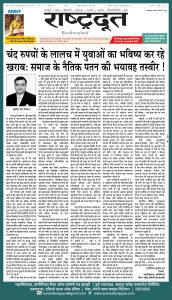
Entertainment, Freedom, and Social Responsibility: Are We Going Through a Cultural Transition?
In recent years, there have been numerous controversies surrounding comedy shows, social media content, reels, podcasts, and digital entertainment. Much of this content openly promotes vulgarity and shameless behavior.
Samay Raina’s show India’s Got Latent became the center of legal and public controversy after an objectionable remark made in one of its episodes. Similarly, Kunal Kamra has faced FIRs and protests over his political satire, particularly his remarks targeting Maharashtra Deputy Chief Minister Eknath Shinde. Pranit More also came under heavy criticism after controversial exchanges during one of his live shows, leading to complaints and intense debates across social media.
Dr. Sejal Pawar also made extremely disgusting remarks during Pranit More’s show about the genitalia of male corpses. Such comments are completely against the ethical oath of the medical profession. Individuals with such a mindset should not be allowed to practice medicine, and Dr. Sejal should be immediately removed from her position so that such conduct is not repeated in the future.
Sometimes a controversial remark made on stage dominates public discussion. At other times, a viral video sparks widespread outrage across society. Many of these individuals appear to be chasing quick and cheap popularity by openly displaying poor judgment and a crude mindset. They often rely on double-meaning language, indecent clothing, and vulgar performances as part of their act. At times, one wonders whether such values were instilled in them by their own families. Equally concerning is the audience that sits before them, applauding and cheering without reason, thereby encouraging and normalizing this culture of vulgarity.
Reducing these incidents to the traditional debate of decency versus obscenity, or right versus wrong, is perhaps no longer sufficient. Behind these events lies a much broader social transformation, one that may be among the most significant cultural challenges of our time.
The real question is not simply what people are saying or laughing at. The deeper question is: What direction is our society moving in, and have we developed new social norms capable of guiding that change?
A Time of Transition: Old Values Are Fading, New Ones Are Still Incomplete
Every society evolves with time, and India has undergone rapid social, economic, and technological transformation over the past three decades.
Traditional social structures, joint families, limited sources of information, and locally rooted cultural influences no longer shape people’s lives in the same way they once did.
It is equally true that many older social systems contained inequalities and injustices that modern society no longer wishes to accept. Awareness of gender equality, personal freedom, and individual rights has grown significantly compared to previous generations.
The challenge, however, is that while old norms have weakened, the new value system meant to replace them has not yet fully developed.
This has created a kind of cultural vacuum.
Freedom Has Increased, But Responsibility Receives Far Less Attention
One major shift over the past two decades is that many young people begin earning respectable salaries immediately after campus placements. Financial independence often marks the beginning of a lifestyle characterized by greater personal freedom and fewer external constraints.
Since they no longer depend on others financially, many begin to think, “We’ll live life our own way.”
They become masters of their own schedules?sleeping, eating, traveling, meeting people, or ignoring them entirely according to personal preference. Whether they remain in touch with someone for two days or disappear for ten often makes little difference to them.
This attitude is reflected in the increasingly popular phrase:
“Who cares?”
Modern society has rightly placed greater importance on individual freedom.
People want greater control over their careers, relationships, opinions, and personal choices. This is a natural characteristic of any democratic and developed society.
However, freedom and responsibility cannot be separated.
If a society embraces freedom while giving little attention to the social and moral responsibilities that accompany it, confusion and conflict become inevitable.
Many of today’s cultural controversies appear to stem from precisely this imbalance.
The Digital World Has Redefined Entertainment
Entertainment was once limited to a handful of mediums.
Today, a smartphone can bring the world’s content to anyone within seconds.
Reels, short-form videos, podcasts, streaming platforms, and social media have democratized entertainment.
Artists, writers, and comedians no longer need approval from traditional institutions before reaching an audience.
This is undoubtedly a positive development.
However, it has also created a new problem: fierce competition to gain attention through increasingly indecent or shocking acts.
When success is measured primarily through clicks, views, likes, and shares, sensationalism, controversy, and provocation often become more rewarding than genuine quality.
Have the Boundaries of Comedy Changed?
Humor has always been an important part of society.
Satire, irony, and social criticism are widely regarded as signs of a healthy democracy.
But in the digital age, the nature of comedy has changed rapidly.
The boundaries separating entertainment from insult, satire from vulgarity, and expression from provocation have become increasingly blurred.
This is not a problem unique to India.
Societies around the world are debating how to balance freedom of expression with social sensitivity.
The Changing Role of Family and Society
There was a time when families, schools, and local communities played the primary role in shaping an individual’s values.
Today, that responsibility is increasingly shared with digital platforms, social media, and the global entertainment industry.
Young people are now exposed to a far wider range of ideas and influences than previous generations.
This presents both opportunities and challenges.
The opportunity lies in broader thinking and greater exposure.
The challenge is that the traditional institutions responsible for value formation have become considerably weaker.
Is India Lacking Meaningful Cultural Dialogue?
Public discourse often swings between two extremes.
One side sees every social change as evidence of moral decline.
The other dismisses every criticism as an attack on freedom of expression.
The real solution lies somewhere between these two positions.
India needs a mature cultural dialogue where art, entertainment, freedom, social responsibility, and public sensitivity can all be discussed openly.
A balanced path must be found between excessive restrictions and unchecked freedom.
The Real Challenge Before the Younger Generation
Today’s youth are growing up in an era filled with unprecedented opportunities, but also unprecedented pressures.
They must build their identities while navigating rapidly changing technology, intense competition, career uncertainty, social expectations, and constant digital influence.
Simply criticizing them will not solve these challenges.
They need cultural and educational environments that encourage independent thinking while also cultivating sensitivity, responsibility, and social awareness.
Today, many people no longer understand the distinction between a Kavi Sammelan, a Mushaira, a Ghazal performance, a humorous poetry gathering, a laughter show, a comedy show, and programs built around vulgarity. Nor do they fully understand the true purpose and character of these different forms of entertainment.
Conclusion
When we see a controversial statement, a viral video, or a provocative stage performance, it is easy to blame the individuals involved.
The more difficult task is understanding what these incidents reveal about the deeper transformations taking place within society.
India is currently passing through a period of cultural transition.
Old values are no longer fully dominant, while new values have yet to become firmly established.
At such a time, the answer is neither to return blindly to the past nor to accept every new trend without question.
What is needed is a balanced approach?one where personal freedom, social sensitivity, cultural maturity, and human dignity coexist.
Because a society is ultimately judged not only by its economic progress, but also by how successfully it balances freedom with responsibility.
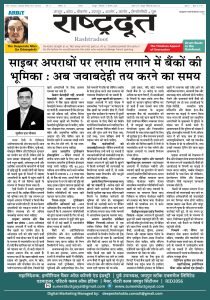
Rotarian Suneel Dutt Goyal
Director General, Imperial Chamber of Commerce and Industry
Ex. Vice Chairman, Jaipur Stock Exchange Limited
Jaipur, Rajasthan, India