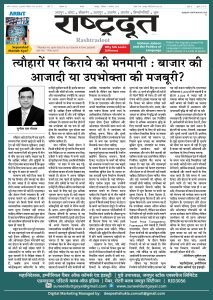

Arbitrary Fare Hikes During Festivals: Free Market or Consumer Compulsion?
Skyrocketing Travel Costs During Festivals, Leaving Consumers Struggling!
Every year, as festival season approaches, an old problem resurfaces across the country. Train tickets become difficult to get, airfares shoot up several times, and hotel room rates become three to five times higher than their normal prices.
The question is: What exactly changes during festivals and holiday periods that makes travelling for a few days unaffordable for ordinary people?
The usual explanation is simple: It’s all about demand and supply. When demand goes up, prices go up. And in a market-driven economy, this argument is not entirely wrong.
Airlines and hotels are private businesses. They have every right to make profits, and the government should not impose price controls that undermine the commercial viability of private companies.
However, the real concern begins when the difference between dynamic pricing and genuine market competition starts disappearing.
Very few people understand an important layer of how this entire system works.
Large travel agencies, tour operators and online travel platforms often secure or block a substantial number of hotel rooms and airline seats in advance through underwriting arrangements or inventory-blocking agreements. In some cases, they guarantee the sale of a certain number of rooms or seats, while in others, they secure inventory through contractual commitments.
These rooms and seats can then be sold through different channels at different prices, depending on demand, availability and business strategies.
There is nothing inherently wrong with this arrangement. Travel agencies are businesses too, and they deserve to earn a margin for taking commercial risks.
The problem arises when consumers have no clear idea of the original price, where the price increase has actually taken place, or how much margin each intermediary is adding to the final cost.
For example, imagine a hotel has entered into an agreement with a travel agency to provide rooms throughout the year at a fixed rate. The agency has already secured a large number of rooms.
Now, during a particular festival, demand for accommodation in that city suddenly increases. The agency can increase the prices of its limited available inventory based on market demand.
The hotel has already secured much of its revenue and the agency has its own inventory. But the final consumer ends up paying several times more for the same room.
The same question applies to airline tickets.
Airlines manage their revenue and seat occupancy in advance. They sell seats through different booking classes and fare categories. At the same time, travel agencies and online platforms also play an important role in the market through their distribution networks and commercial agreements.
Under these circumstances, the government needs to find the right balance between a free market and consumer interests.
The solution should not be to simply declare that every airline ticket or hotel room must be sold at one fixed price. Such a move could disrupt the natural functioning of the market and affect the financial viability of businesses.
However, there are better alternatives.
The government can make it mandatory for every airline and hotel to keep a reasonable portion of its actual available inventory accessible to consumers directly through its own official digital platforms.
There is no need to eliminate travel agencies or online booking platforms. They provide convenience, price comparisons, travel packages and other useful services. However, consumers should always have access to at least one direct pricing benchmark.
Along with this, the government can introduce another important reform: a Reference Pricing System.
For example, instead of allowing ticket or hotel room prices to rise to arbitrary levels overnight, the government can establish a transparent pricing benchmark based on actual booking data from the previous two to three months.
A volume-weighted average price could be a useful model here.
The government should consider introducing a provision under which the fare of an airline ticket or hotel room cannot exceed twice its volume-weighted average price over the previous two to three months.
In other words, under normal circumstances, the maximum permissible price would be twice the average price during the specified reference period.
This would allow airlines and hotels to earn reasonable profits when demand increases, while also helping prevent unusually high price increases during festivals and holiday periods.
For example, if someone is booking a flight ticket on March 15, the system could use the volume-weighted average price of tickets actually sold over the previous two months, or another prescribed reference period, for the same route, travel class and comparable conditions.
If a booking takes place on March 16, the reference window would automatically move forward accordingly.
This does not mean ticket prices should always remain fixed at their historical average. Prices should be allowed to increase depending on demand, booking time, seat availability and operating costs.
However, any unusually large increase beyond a prescribed limit should be subject to transparent rules and justifiable reasons.
A similar model can be developed for hotels.
A dynamic but regulated pricing band can be created by considering factors such as the normal room rate, actual booking prices over the previous few weeks, weekend demand, local events, room availability and overall market demand.
There is another important aspect that needs attention. The government should not monitor only airlines and hotels. The role of digital travel marketplaces and large intermediaries must also be transparent.
Consumers should be able to clearly see how much of the final price represents the basic airfare or room charge, how much is tax, how much is the platform fee, and what other additional charges are being included.
The problem today is that consumers are often shocked when they see the final amount, without having a clear picture of how that price was arrived at.
The government could introduce a national Travel Price Transparency Framework, making it mandatory for airlines, hotels and online travel companies to display prices in a standardised and transparent format.
Special monitoring can also be introduced during major festivals and holiday periods, such as Diwali, Holi, Eid, Christmas, New Year, long weekends and major religious gatherings.
However, this monitoring should not become direct price control.
The government should not dictate that an airline can charge a maximum of ₹5,000 or that a hotel cannot charge more than ₹3,000 per night.
Instead, the focus should be on identifying whether businesses are taking undue advantage of market conditions to impose unusually high and non-transparent price increases.
After all, airlines and hotels are businesses too. Airlines have to operate aircraft, pay employees, and bear fuel and maintenance costs. Hotels have to manage staff salaries, electricity, maintenance and several other operating expenses.
They have every right to earn profits.
The objective is not to stop businesses from making profits. Nor is it to dictate how much profit they can earn. The real objective is to make the market transparent, competitive and fair to consumers.
In a vast country like India, travelling during festivals is no longer a luxury. Millions of people travel to meet their families, undertake religious journeys, attend social functions and fulfil essential commitments.
If ticket prices and hotel room rates suddenly become so expensive that an ordinary middle-class family cannot afford to travel, the government should at least review the structure and functioning of the market.
The solution is not unnecessary restrictions. It is smart regulation.
Let airlines and hotels make money. Let travel agencies and online platforms continue their businesses. But consumers must also have the right to understand what they are paying for and what forms the basis of that price.
A free market should not mean keeping consumers in the dark about how the market operates. Genuine competition can exist only when consumers have all three: choices, information and transparent pricing.
Rotarian Suneel Dutt Goyal
Director General, Imperial Chamber of Commerce and Industry
Ex. Vice Chairman, Jaipur Stock Exchange Limited
Jaipur, Rajasthan
त्यौहारों पर किरायों की मनमानी : बाजार की आजादी या उपभोक्ता की मजबूरी?
त्यौहार पर किरायों की उड़ान, ग्राहक परेशान !
त्यौहार आते ही देश में एक पुरानी समस्या फिर सामने खड़ी हो जाती है। ट्रेन की सीटें मिलना मुश्किल, हवाई टिकट कई गुना महंगे और होटल के कमरे सामान्य दिनों की तुलना में तीन से पाँच गुना तक महंगे। सवाल यह है कि आखिर त्यौहार और छुट्टियों के दौरान ऐसा क्या बदल जाता है कि कुछ दिनों के लिए यात्रा करना आम आदमी की पहुंच से बाहर हो जाता है?
सामान्य तर्क यही दिया जाता है कि यह डिमांड और सप्लाई का खेल है। मांग ज्यादा है तो कीमत ज्यादा होगी। बाजार अर्थव्यवस्था में यह बात पूरी तरह गलत भी नहीं है। एयरलाइन और होटल निजी व्यवसाय हैं। उन्हें मुनाफा कमाने का अधिकार है और सरकार को किसी निजी कंपनी की व्यावसायिक व्यवहार्यता खत्म करने वाला मूल्य नियंत्रण नहीं लगाना चाहिए।
लेकिन सवाल वहां शुरू होता है जहां डायनेमिक प्राइसिंग और बाजार की वास्तविक प्रतिस्पर्धा के बीच अंतर खत्म हो जाता है।
बहुत कम लोग इस पूरी व्यवस्था की एक महत्वपूर्ण परत को समझते हैं। बड़ी ट्रैवल एजेंसियां, टूर ऑपरेटर और ऑनलाइन ट्रैवल प्लेटफॉर्म कई बार होटल के कमरों और एयरलाइन की सीटों की बड़ी संख्या पहले से अंडरराइटिंग या ब्लॉक कर लेते हैं। कुछ मामलों में वे निश्चित संख्या में कमरे या सीटें बेचने की गारंटी भी देते हैं, जबकि अन्य मामलों में कॉन्ट्रैक्चुअल कमिटमेंट के जरिए इन्वेंट्री सुरक्षित करते हैं। इसके बाद इन कमरों और सीटों को मांग, उपलब्धता और व्यावसायिक रणनीति के आधार पर अलग-अलग चैनलों पर अलग-अलग कीमतों पर बेचा जा सकता है।
यह व्यवस्था अपने आप में गलत नहीं है। आखिर ट्रैवल एजेंसियां भी व्यवसाय करती हैं और उन्हें जोखिम उठाने के बदले मार्जिन कमाने का अधिकार है। समस्या तब पैदा होती है जब उपभोक्ता को यह पता ही नहीं होता कि वास्तविक मूल कीमत क्या है, किस स्तर पर कीमत बढ़ी है और अंतिम कीमत में किसका कितना मार्जिन शामिल है।
मान लीजिए किसी होटल ने किसी एजेंसी को पूरे वर्ष के लिए कमरे एक निश्चित दर पर उपलब्ध करा दिए। एजेंसी ने बड़ी संख्या में कमरे पहले ही सुरक्षित कर लिए। अब किसी विशेष त्यौहार पर शहर में मांग बढ़ गई। एजेंसी के पास उपलब्ध सीमित कमरों की कीमत बाजार की मांग देखकर बढ़ सकती है।
होटल ने अपना जोखिम काफी हद तक पहले ही सुरक्षित कर लिया और एजेंसी के पास भी अपनी इन्वेंट्री है। लेकिन अंतिम उपभोक्ता को उस कमरे के लिए कई गुना अधिक भुगतान करना पड़ता है।
यही सवाल एयरलाइन टिकटों पर भी लागू होता है। एयरलाइन अपने राजस्व और सीट ऑक्यूपेंसी को पहले से मैनेज करती है। अलग-अलग बुकिंग क्लास और किराया श्रेणियों के माध्यम से वह अपनी सीटें बेचती है। दूसरी ओर ट्रैवल एजेंसियां और ऑनलाइन प्लेटफॉर्म भी अपने वितरण नेटवर्क और व्यावसायिक समझौतों के माध्यम से बाजार में महत्वपूर्ण भूमिका निभाते हैं।
ऐसे में सरकार को यह तय करने की जरूरत है कि मुक्त बाजार और उपभोक्ता हित के बीच संतुलन कहां होना चाहिए।
सरकार का समाधान यह नहीं होना चाहिए कि वह कह दे कि हर एयरलाइन टिकट या होटल का कमरा एक ही कीमत पर बेचा जाए। इससे बाजार की प्राकृतिक व्यवस्था खराब हो सकती है और कंपनियों की आर्थिक व्यवहार्यता प्रभावित हो सकती है।
लेकिन एक बेहतर रास्ता निकाला जा सकता है।
सरकार यह अनिवार्य कर सकती है कि हर एयरलाइन और होटल को अपनी वास्तविक उपलब्ध इन्वेंट्री का एक पर्याप्त हिस्सा अपने स्वयं के आधिकारिक डिजिटल प्लेटफॉर्म पर सीधे उपभोक्ताओं के लिए उपलब्ध रखना होगा।
ट्रैवल एजेंसियां और ऑनलाइन प्लेटफॉर्म खत्म करने की जरूरत नहीं है। वे उपभोक्ता को सुविधा, तुलना, पैकेज और दूसरी सेवाएं देते हैं। लेकिन उपभोक्ता के पास कम से कम एक डायरेक्ट प्राइस बेंचमार्क जरूर होना चाहिए।
इसी के साथ सरकार एक दूसरा महत्वपूर्ण सुधार कर सकती है: रेफरेंस प्राइसिंग सिस्टम।
मसलन, किसी टिकट या होटल के कमरे की कीमत को अचानक मनमाने स्तर तक बढ़ाने के बजाय पिछले दो से तीन महीनों के वास्तविक बुकिंग डेटा के आधार पर एक पारदर्शी मूल्य निर्धारण बेंचमार्क बनाया जा सकता है। यहां वॉल्यूम-वेटेड एवरेज प्राइस एक उपयोगी मॉडल हो सकता है।
सरकार को ऐसा प्रावधान बनाने पर विचार करना चाहिए कि पिछले दो से तीन महीनों के वॉल्यूम-वेटेड औसत मूल्य की तुलना में किसी हवाई टिकट या होटल के कमरे का किराया दोगुने से अधिक न हो। यानी सामान्य परिस्थितियों में निर्धारित संदर्भ अवधि के औसत मूल्य की तुलना में अधिकतम दो गुना तक ही किराया लिया जा सके। इससे एयरलाइंस और होटल मांग बढ़ने पर उचित मुनाफा कमा सकेंगे, लेकिन त्योहारों और छुट्टियों के दौरान किरायों में होने वाली असामान्य बढ़ोतरी पर भी अंकुश लगाया जा सकेगा।
उदाहरण के लिए, यदि कोई व्यक्ति 15 मार्च को टिकट बुक कर रहा है तो सिस्टम पिछले दो महीनों या निर्धारित संदर्भ अवधि में उसी रूट, समान यात्रा श्रेणी और समान परिस्थितियों में वास्तविक रूप से बिके टिकटों के वॉल्यूम-वेटेड औसत मूल्य को एक संदर्भ बिंदु मान सकता है।
यदि 16 मार्च को बुकिंग हो रही है तो संदर्भ विंडो भी स्वतः ही आगे की गणना करेगी।
इसका मतलब यह नहीं कि टिकट की कीमत हमेशा उसी औसत पर स्थिर रहे। मांग, समय, सीट उपलब्धता और परिचालन लागत के आधार पर कीमत में वृद्धि की अनुमति होनी चाहिए। लेकिन एक निर्धारित सीमा से अधिक असामान्य वृद्धि के लिए पारदर्शी कारण और नियम होने चाहिए।
होटलों के लिए भी इसी तरह का मॉडल विकसित किया जा सकता है। समान कमरे की सामान्य दर, पिछले कुछ सप्ताह का वास्तविक बुकिंग मूल्य, सप्ताहांत का प्रभाव, स्थानीय आयोजन, कमरे की उपलब्धता और मांग जैसे कारकों को शामिल करके एक डायनेमिक लेकिन नियंत्रित प्राइसिंग बैंड बनाया जा सकता है।
यहां एक और महत्वपूर्ण बात है। सरकार को केवल एयरलाइन और होटल पर ही निगरानी नहीं रखनी चाहिए। डिजिटल ट्रैवल मार्केट प्लेस और बड़े मध्यस्थों की भूमिका भी पारदर्शी होनी चाहिए।
उपभोक्ता को यह जानकारी मिलनी चाहिए कि कीमत में मूल किराया या कमरे का शुल्क कितना है, टैक्स कितना है, प्लेटफॉर्म शुल्क कितना है और अन्य शुल्क कितना है।
आज समस्या यह है कि उपभोक्ता अक्सर अंतिम कीमत देखकर चौंकता है, लेकिन उस कीमत के निर्माण की पूरी तस्वीर उसके सामने नहीं होती।
सरकार चाहे तो एक राष्ट्रीय Travel Price Transparency Framework बना सकती है, जिसमें एयरलाइंस, होटल और ऑनलाइन ट्रैवल कंपनियों को मानकीकृत तरीके से मूल्य प्रदर्शित करना अनिवार्य किया जाए।
त्यौहारों के दौरान विशेष निगरानी भी की जा सकती है। जैसे दिवाली, होली, ईद, क्रिसमस, नए साल, लंबे वीकेंड या बड़े धार्मिक आयोजनों के समय सरकार असामान्य मूल्य वृद्धि की निगरानी करे।
लेकिन यह निगरानी मूल्य नियंत्रण नहीं होनी चाहिए। सरकार को यह नहीं कहना चाहिए कि एयरलाइन अधिकतम ₹5,000 ही ले सकती है या होटल ₹3,000 से ज्यादा नहीं ले सकता। बल्कि यह देखना चाहिए कि कहीं बाजार की स्थिति का फायदा उठाकर कीमतों में असामान्य और अपारदर्शी वृद्धि तो नहीं की जा रही।
आखिर एयरलाइन और होटल भी व्यवसाय हैं। उनके विमानों को उड़ाना है, कर्मचारियों को वेतन देना है, ईंधन और रखरखाव का खर्च उठाना है। होटलों को स्टाफ, बिजली, रखरखाव और दूसरी लागतें उठानी हैं। इसलिए उन्हें मुनाफा कमाने का पूरा अधिकार है।
मुद्दा मुनाफा रोकना नहीं है। मुनाफे की सीमा तय करना भी नहीं है। मुद्दा है बाजार को पारदर्शी, प्रतिस्पर्धी और उपभोक्ता के लिए निष्पक्ष बनाना।
भारत जैसे विशाल देश में त्यौहारों के समय यात्रा कोई विलासिता नहीं रह जाती। करोड़ों लोग अपने परिवारों से मिलने, धार्मिक यात्राओं, सामाजिक कार्यक्रमों और जरूरी कामों के लिए यात्रा करते हैं। ऐसे समय में अगर टिकट और होटल के कमरे अचानक इतने महंगे हो जाएं कि सामान्य मध्यमवर्गीय परिवार यात्रा ही न कर सके, तो सरकार को कम से कम बाजार की संरचना की समीक्षा जरूर करनी चाहिए।
समाधान प्रतिबंध नहीं, स्मार्ट रेगुलेशन है।
एयरलाइन और होटल को कमाने दीजिए। ट्रैवल एजेंसियों और ऑनलाइन प्लेटफॉर्म को भी अपना कारोबार करने दीजिए। लेकिन उपभोक्ता को भी इतना अधिकार दीजिए कि वह जान सके कि वह किस कीमत के लिए भुगतान कर रहा है और उस कीमत का आधार क्या है।
मुक्त बाजार का अर्थ यह नहीं कि उपभोक्ता को बाजार की जानकारी से मुक्त कर दिया जाए। असली प्रतिस्पर्धा तभी होगी जब उपभोक्ता के पास विकल्प, जानकारी और पारदर्शी कीमत तीनों हों।
रोटेरियन सुनील दत्त गोयल
महानिदेशक, इम्पीरियल चैंबर ऑफ़ कॉमर्स एंड इंडस्ट्री
पूर्व उपाध्यक्ष, जयपुर स्टॉक एक्सचेंज लिमिटेड
जयपुर, राजस्थान