
The Noise Around MDR on UPI: Who Remembers the Old Cost of Card Payments?
From Cards to UPI: How Much Has the Cost of Payments Really Changed?
Ever since the discussion around MDR, or Merchant Discount Rate, on UPI began in India, there has been a lot of debate. Some are saying that MDR will reduce the use of UPI, while others are talking about people moving away from digital payments altogether.
But there is one important aspect missing from this debate: how does the cost of UPI compare with other payment systems?
First, Let us Look at the Cost of Card Payments
MDR is the fee that a merchant pays for accepting a digital payment. In a card transaction, the customer’s bank, the merchant’s bank, card networks such as Visa and Mastercard, and payment service providers are all part of the system.
In India, credit card MDR has generally been in the range of around 1.5% to 3.5%. For some premium, corporate, international or special categories of cards, it can be even higher.
So, it would not be correct to say that every Visa or Mastercard transaction used to carry a 3% to 5% charge. But it is certainly true that the cost of many credit card transactions has been several times higher than the proposed 0.40% UPI MDR.
For example, on a payment of ₹10,000, a 0.40% charge means ₹40. At a 2% card MDR, the cost would be ₹200, and at 3%, it would be ₹300.
In sectors such as railways and petrol, a fixed MDR of ₹5 per transaction has been provided for UPI payments above ₹2,000 instead of the regular 0.40% rate. For capital-market-related payments, the rate is only 0.02%, subject to a maximum of ₹300.
This clearly shows that the same fee structure is not being applied to every sector.
Will 0.40% Be Charged on Every UPI Payment?
Absolutely not.
Person-to-person payments will remain free. Merchant payments up to ₹2,000 will also remain under the zero-MDR category. The zero-MDR arrangement will continue for eligible small merchants as well.
According to the government, around 96% of P2M, or person-to-merchant, transactions will not be affected by the new MDR.
For eligible larger merchant transactions above ₹2,000, a 0.40% MDR will apply. However, for transactions of ₹75,000 or more, the maximum charge has been capped at ₹300 per transaction.
Therefore, saying that “0.40% will now be charged on every UPI payment” is simply not correct.
And MDR is not a tax being charged to the customer. It is a fee between the merchant and the payment ecosystem. The purpose of this system is not to separately collect a UPI fee from customers.
Why the ₹5 Model for Railways and Petrol?
Sectors such as railways, fuel, telecommunications, insurance and agricultural inputs have been treated differently from ordinary businesses.
The transaction value in these sectors can be high, but that does not necessarily mean that their profit margins are equally high.
For example, if a 0.40% MDR were charged on a ₹10,000 petrol payment, the fee would be ₹40. Under the fixed ₹5 model, the cost remains only ₹5.
In other words, for these essential services, the government has adopted a fixed-fee model instead of a percentage-based charge.
UPI’s Real Achievement Is Not Just Cheap Payments
UPI has changed the way small businesses operate in India.
Today, even a roadside tea seller can accept payments through a QR code. There is no need to maintain a card machine. If a customer does not have cash, the payment can still be made, and the money can go directly into the merchant’s bank account.
This also creates a digital record of the small merchant’s sales. The bank gets a better understanding of the merchant’s actual business activity and income.
Over time, this creates a banking history. Based on that history, the merchant can potentially gain access to financial products and services such as fixed deposits, recurring deposits, mutual funds, the stock market and bank loans.
UPI has not merely changed the way money is transferred. It has helped move small merchants from a cash-based informal economy towards the formal banking system.
We Should Also Remember the Old Banking Era
UPI has become so normal today that we have almost forgotten how difficult payments used to be.
Before facilities such as electronic cheque clearing, NEFT, RTGS and IMPS became widely available, making a payment to another city could be a long and complicated process.
There was a time when a payment made on Monday could mean receiving a bank draft only on Tuesday or Wednesday. A charge of around ₹150 could be applicable on a payment of ₹1 lakh.
The draft then had to be sent to another city through registered post. That could take another three or four days, followed by several more days for clearing.
Outstation cheques were even more complicated.
Suppose a trader in Jaipur received a cheque from Mumbai. The cheque had to be sent for clearing in Mumbai. The charges could be around ₹300 to ₹400 on a ₹1 lakh transaction, and the entire process could sometimes take 15 days to a month.
Looking at UPI payments that happen within seconds today, that old system almost seems unbelievable.
Boycotting Technology Is Not the Solution
Around 35 years ago, when computerisation started in banks and stock markets, there was opposition to it as well.
People were worried that computers would take away jobs and completely change the existing system.
But look at where we are today.
It is difficult to imagine banking, stock markets, business, education or employment functioning efficiently without computers.
UPI is simply the next stage of that technological transformation.
So yes, question the MDR. Ask questions to the government. Demand better and lower-cost payment systems from banks and payment companies.
But do not boycott technology. Otherwise, technology may leave us behind.
Customer Habits Have Also Changed
Today, most people’s salaries are credited directly into their bank accounts. Bills, mobile recharges, tickets and shopping are increasingly handled through mobile phones.
People no longer carry the same amount of cash in their pockets as they did in the past.
There was a time when a customer did not have enough money to pay a small amount and the shopkeeper would simply give a toffee or biscuit and adjust the account.
That world is changing rapidly.
Today, the customer has a mobile phone, and inside that mobile phone is effectively a bank.
So, if a merchant says, “I will not accept UPI,” there is a possibility that the customer may simply go to another merchant.
Cash Is Not Completely Free Either
There is no MDR on cash payments.
But handling cash also has a cost.
Cash has to be counted, kept safely, deposited in the bank, reconciled with accounts, and there is always the risk of theft or loss.
Therefore, a merchant should not look only at the MDR charged on UPI. The merchant should consider the total cost of the entire payment system.
What Should the Real Debate Be About?
Since electronic cheque clearing, NEFT, RTGS and IMPS became part of India’s banking system, the way we make payments has changed dramatically.
But it is worth remembering what the system was like before these facilities became available.
A merchant making a payment on Monday could sometimes receive a bank draft only on Tuesday or Wednesday. A payment of ₹1 lakh could involve a charge of around ₹150.
The draft then had to be sent by registered post to another city. It could take three or four days to reach its destination, followed by several more days for clearing.
The entire process could take up to 10 days. The interest cost of blocked working capital and other expenses came on top of that.
Outstation cheques were even more difficult.
If a trader sitting in Jaipur received a cheque from Mumbai, it had to be sent to Mumbai for clearing. The charge could be ₹300 to ₹400 on a ₹1 lakh transaction, and the process could sometimes take 15 days to a month.
In today’s UPI era, all of this seems almost unbelievable.
If we look at the entire payment ecosystem, UPI has become one of the key pillars of India’s digital economy.
Therefore, there should certainly be a debate around MDR. But the broader economic and social impact of UPI should not be ignored.
The government must also ensure that the biggest strengths of UPI, namely low cost, easy access and customer convenience, are not weakened.
Question the MDR, by all means. But abandoning UPI is not the solution.
Rotarian Suneel Dutt Goyal
Director General, Imperial Chamber of Commerce and Industry
Ex. Vice President, Jaipur Stock Exchange Limited
Jaipur, Rajasthan
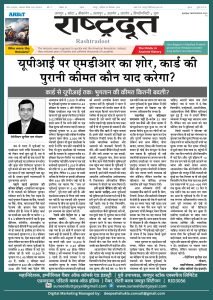
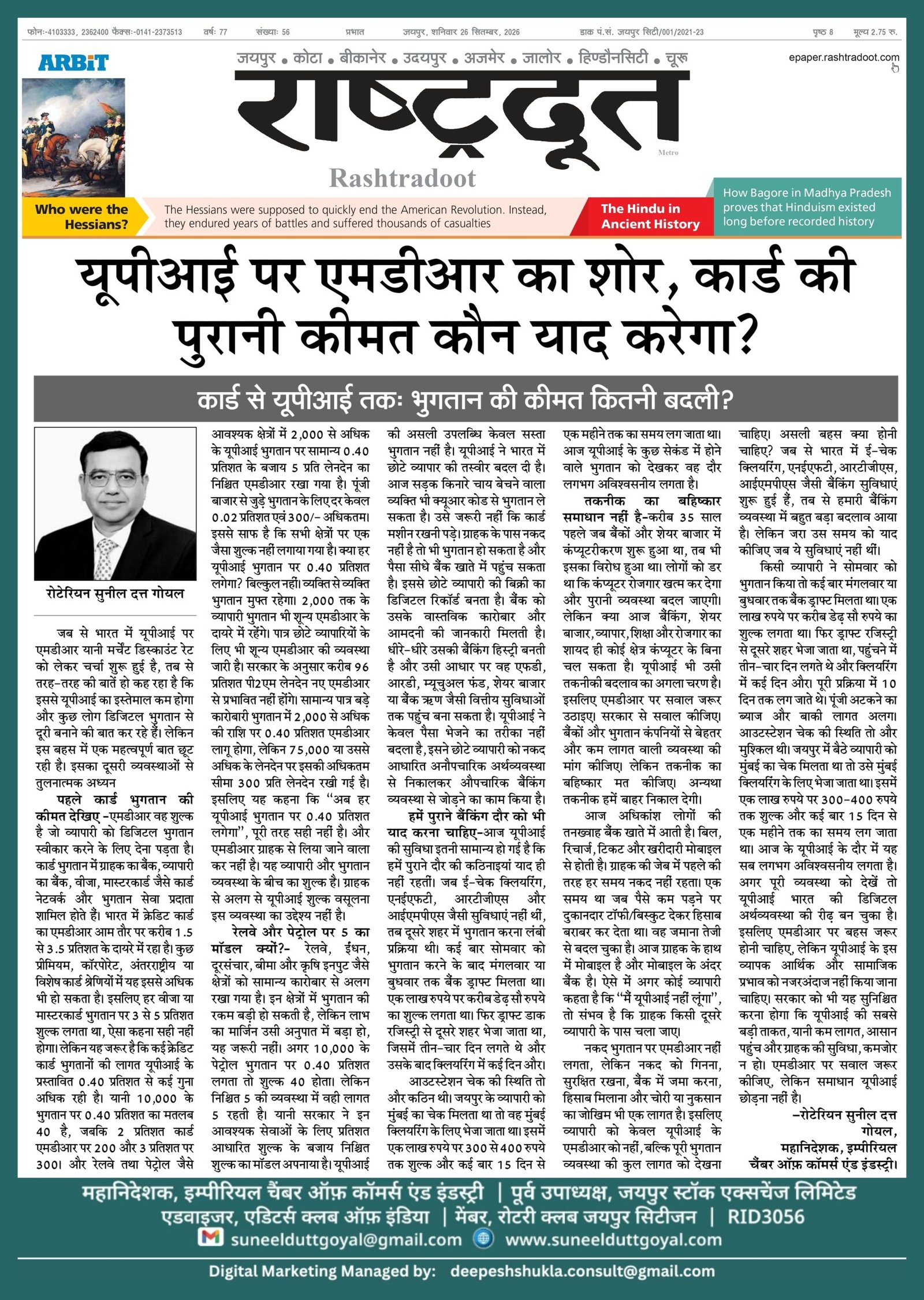
यूपीआई पर एमडीआर का शोर, कार्ड की पुरानी कीमत कौन याद करेगा?
कार्ड से यूपीआई तक: भुगतान की कीमत कितनी बदली?
जब से भारत में यूपीआई पर एमडीआर यानी मर्चेंट डिस्काउंट रेट को लेकर चर्चा शुरू हुई है, तब से तरह-तरह की बातें हो कह रहा है कि इससे यूपीआई का इस्तेमाल कम होगा और कुछ लोग डिजिटल भुगतान से दूरी बनाने की बात कर रहे हैं।
लेकिन इस बहस में एक महत्वपूर्ण बात छूट रही है। इसका दूसरी व्यवस्थाओं से तुलनात्मक अध्यन
पहले कार्ड भुगतान की कीमत देखिए
एमडीआर वह शुल्क है जो व्यापारी को डिजिटल भुगतान स्वीकार करने के लिए देना पड़ता है। कार्ड भुगतान में ग्राहक का बैंक, व्यापारी का बैंक, वीजा, मास्टरकार्ड जैसे कार्ड नेटवर्क और भुगतान सेवा प्रदाता शामिल होते हैं।
भारत में क्रेडिट कार्ड का एमडीआर आम तौर पर करीब 1.5 से 3.5 प्रतिशत के दायरे में रहा है। कुछ प्रीमियम, कॉरपोरेट, अंतरराष्ट्रीय या विशेष कार्ड श्रेणियों में यह इससे अधिक भी हो सकता है।
इसलिए हर वीजा या मास्टरकार्ड भुगतान पर 3 से 5 प्रतिशत शुल्क लगता था, ऐसा कहना सही नहीं होगा। लेकिन यह जरूर है कि कई क्रेडिट कार्ड भुगतानों की लागत यूपीआई के प्रस्तावित 0.40 प्रतिशत से कई गुना अधिक रही है।
यानी ₹10,000 के भुगतान पर 0.40 प्रतिशत का मतलब ₹40 है, जबकि 2 प्रतिशत कार्ड एमडीआर पर ₹200 और 3 प्रतिशत पर ₹300।
और रेलवे तथा पेट्रोल जैसे आवश्यक क्षेत्रों में ₹2,000 से अधिक के यूपीआई भुगतान पर सामान्य 0.40 प्रतिशत के बजाय ₹5 प्रति लेनदेन का निश्चित एमडीआर रखा गया है। पूंजी बाजार से जुड़े भुगतान के लिए दर केवल 0.02 प्रतिशत एवं 300/- अधिकतम |
इससे साफ है कि सभी क्षेत्रों पर एक जैसा शुल्क नहीं लगाया गया है।
क्या हर यूपीआई भुगतान पर 0.40 प्रतिशत लगेगा?
बिल्कुल नहीं।
व्यक्ति से व्यक्ति भुगतान मुफ्त रहेगा। ₹2,000 तक के व्यापारी भुगतान भी शून्य एमडीआर के दायरे में रहेंगे। पात्र छोटे व्यापारियों के लिए भी शून्य एमडीआर की व्यवस्था जारी है।
सरकार के अनुसार करीब 96 प्रतिशत पी2एम लेनदेन नए एमडीआर से प्रभावित नहीं होंगे।
सामान्य पात्र बड़े कारोबारी भुगतान में ₹2,000 से अधिक की राशि पर 0.40 प्रतिशत एमडीआर लागू होगा, लेकिन ₹75,000 या उससे अधिक के लेनदेन पर इसकी अधिकतम सीमा ₹300 प्रति लेनदेन रखी गई है।
इसलिए यह कहना कि “अब हर यूपीआई भुगतान पर 0.40 प्रतिशत लगेगा”, पूरी तरह सही नहीं है।
और एमडीआर ग्राहक से लिया जाने वाला कर नहीं है। यह व्यापारी और भुगतान व्यवस्था के बीच का शुल्क है। ग्राहक से अलग से यूपीआई शुल्क वसूलना इस व्यवस्था का उद्देश्य नहीं है।
रेलवे और पेट्रोल पर ₹5 का मॉडल क्यों?
रेलवे, ईंधन, दूरसंचार, बीमा और कृषि इनपुट जैसे क्षेत्रों को सामान्य कारोबार से अलग रखा गया है। इन क्षेत्रों में भुगतान की रकम बड़ी हो सकती है, लेकिन लाभ का मार्जिन उसी अनुपात में बड़ा हो, यह जरूरी नहीं।
अगर ₹10,000 के पेट्रोल भुगतान पर 0.40 प्रतिशत लगता तो शुल्क ₹40 होता। लेकिन निश्चित ₹5 की व्यवस्था में वही लागत ₹5 रहती है।
यानी सरकार ने इन आवश्यक सेवाओं के लिए प्रतिशत आधारित शुल्क के बजाय निश्चित शुल्क का मॉडल अपनाया है।
यूपीआई की असली उपलब्धि केवल सस्ता भुगतान नहीं है
यूपीआई ने भारत में छोटे व्यापार की तस्वीर बदल दी है।
आज सड़क किनारे चाय बेचने वाला व्यक्ति भी क्यूआर कोड से भुगतान ले सकता है। उसे जरूरी नहीं कि कार्ड मशीन रखनी पड़े। ग्राहक के पास नकद नहीं है तो भी भुगतान हो सकता है और पैसा सीधे बैंक खाते में पहुंच सकता है।
इससे छोटे व्यापारी की बिक्री का डिजिटल रिकॉर्ड बनता है। बैंक को उसके वास्तविक कारोबार और आमदनी की जानकारी मिलती है। धीरे-धीरे उसकी बैंकिंग हिस्ट्री बनती है और उसी आधार पर वह एफडी, आरडी, म्यूचुअल फंड, शेयर बाजार या बैंक ऋण जैसी वित्तीय सुविधाओं तक पहुंच बना सकता है।
यूपीआई ने केवल पैसा भेजने का तरीका नहीं बदला है, इसने छोटे व्यापारी को नकद आधारित अनौपचारिक अर्थव्यवस्था से निकालकर औपचारिक बैंकिंग व्यवस्था से जोड़ने का काम किया है।
हमें पुराने बैंकिंग दौर को भी याद करना चाहिए
आज यूपीआई की सुविधा इतनी सामान्य हो गई है कि हमें पुराने दौर की कठिनाइयां याद ही नहीं रहतीं।
जब ई-चेक क्लियरिंग, एनईएफटी, आरटीजीएस और आईएमपीएस जैसी सुविधाएं नहीं थीं, तब दूसरे शहर में भुगतान करना लंबी प्रक्रिया थी।
कई बार सोमवार को भुगतान करने के बाद मंगलवार या बुधवार तक बैंक ड्राफ्ट मिलता था। एक लाख रुपये पर करीब डेढ़ सौ रुपये का शुल्क लगता था। फिर ड्राफ्ट डाक रजिस्ट्री से दूसरे शहर भेजा जाता था, जिसमें तीन-चार दिन लगते थे और उसके बाद क्लियरिंग में कई दिन और।
आउटस्टेशन चेक की स्थिति तो और कठिन थी। जयपुर के व्यापारी को मुंबई का चेक मिलता था तो वह मुंबई क्लियरिंग के लिए भेजा जाता था। इसमें एक लाख रुपये पर 300 से 400 रुपये तक शुल्क और कई बार 15 दिन से एक महीने तक का समय लग जाता था।
आज यूपीआई के कुछ सेकंड में होने वाले भुगतान को देखकर वह दौर लगभग अविश्वसनीय लगता है।
तकनीक का बहिष्कार समाधान नहीं है
करीब 35 साल पहले जब बैंकों और शेयर बाजार में कंप्यूटरीकरण शुरू हुआ था, तब भी इसका विरोध हुआ था। लोगों को डर था कि कंप्यूटर रोजगार खत्म कर देगा और पुरानी व्यवस्था बदल जाएगी।
लेकिन क्या आज बैंकिंग, शेयर बाजार, व्यापार, शिक्षा और रोजगार का शायद ही कोई क्षेत्र कंप्यूटर के बिना चल सकता है।
यूपीआई भी उसी तकनीकी बदलाव का अगला चरण है।
इसलिए एमडीआर पर सवाल जरूर उठाइए। सरकार से सवाल कीजिए। बैंकों और भुगतान कंपनियों से बेहतर और कम लागत वाली व्यवस्था की मांग कीजिए।
लेकिन तकनीक का बहिष्कार मत कीजिए। अन्यथा तकनीक हमें बाहर निकाल देगी।
ग्राहक की आदत भी बदल चुकी है
आज अधिकांश लोगों की तनख्वाह बैंक खाते में आती है। बिल, रिचार्ज, टिकट और खरीदारी मोबाइल से होती है। ग्राहक की जेब में पहले की तरह हर समय नकद नहीं रहता।
एक समय था जब पैसे कम पड़ने पर दुकानदार टॉफी/बिस्कुट देकर हिसाब बराबर कर देता था। वह जमाना तेजी से बदल चुका है।
आज ग्राहक के हाथ में मोबाइल है और मोबाइल के अंदर बैंक है।
ऐसे में अगर कोई व्यापारी कहता है कि “मैं यूपीआई नहीं लूंगा”, तो संभव है कि ग्राहक किसी दूसरे व्यापारी के पास चला जाए।
नकद भी पूरी तरह मुफ्त नहीं है
नकद भुगतान पर एमडीआर नहीं लगता, लेकिन नकद को गिनना, सुरक्षित रखना, बैंक में जमा करना, हिसाब मिलाना और चोरी या नुकसान का जोखिम भी एक लागत है।
इसलिए व्यापारी को केवल यूपीआई के एमडीआर को नहीं, बल्कि पूरी भुगतान व्यवस्था की कुल लागत को देखना चाहिए।
असली बहस क्या होनी चाहिए?
जब से भारत में ई-चेक क्लियरिंग, एनईएफटी, आरटीजीएस, आईएमपीएस जैसी बैंकिंग सुविधाएं शुरू हुई हैं, तब से हमारी बैंकिंग व्यवस्था में बहुत बड़ा बदलाव आया है। लेकिन जरा उस समय को याद कीजिए जब ये सुविधाएं नहीं थीं।
किसी व्यापारी ने सोमवार को भुगतान किया तो कई बार मंगलवार या बुधवार तक बैंक ड्राफ्ट मिलता था। एक लाख रुपये पर करीब डेढ़ सौ रुपये का शुल्क लगता था। फिर ड्राफ्ट रजिस्ट्री से दूसरे शहर भेजा जाता था, पहुंचने में तीन-चार दिन लगते थे और क्लियरिंग में कई दिन और। पूरी प्रक्रिया में 10 दिन तक लग जाते थे। पूंजी अटकने का ब्याज और बाकी लागत अलग।
आउटस्टेशन चेक की स्थिति तो और मुश्किल थी। जयपुर में बैठे व्यापारी को मुंबई का चेक मिलता था तो उसे मुंबई क्लियरिंग के लिए भेजा जाता था। इसमें एक लाख रुपये पर 300-400 रुपये तक शुल्क और कई बार 15 दिन से एक महीने तक का समय लग जाता था।
आज के यूपीआई के दौर में यह सब लगभग अविश्वसनीय लगता है।
अगर पूरी व्यवस्था को देखें तो यूपीआई भारत की डिजिटल अर्थव्यवस्था की रीढ़ बन चुका है।
इसलिए एमडीआर पर बहस जरूर होनी चाहिए, लेकिन यूपीआई के इस व्यापक आर्थिक और सामाजिक प्रभाव को नजरअंदाज नहीं किया जाना चाहिए।
सरकार को भी यह सुनिश्चित करना होगा कि यूपीआई की सबसे बड़ी ताकत, यानी कम लागत, आसान पहुंच और ग्राहक की सुविधा, कमजोर न हो।
एमडीआर पर सवाल जरूर कीजिए, लेकिन समाधान यूपीआई छोड़ना नहीं है।
रोटेरियन सुनील दत्त गोयल
महानिदेशक, इम्पीरियल चैंबर ऑफ़ कॉमर्स एंड इंडस्ट्री
पूर्व उपाध्यक्ष, जयपुर स्टॉक एक्सचेंज लिमिटेड
जयपुर, राजस्थान