We expect the police to maintain civility, provide service, and ensure security in every situation. But do we ever stop to think about the kind of life the human being behind the uniform is actually living?
You are driving on the road and suddenly notice a traffic policeman approaching from the opposite side. He may simply be heading for a shift change, yet your heartbeat rises with the fear that he might issue a challan. In the same way, whenever an ordinary policeman in khaki walks toward someone, the first feeling that arises in the mind is often fear rather than security. The real question is – why does this happen? Is the fault entirely of the police, or of the entire system that has turned the police force into something like a hungry hunting lion, used whenever convenient and misused whenever desired?
The roots of this problem lie in the mindset of politics, bureaucracy, and successive governments, which never allowed the police force to evolve into an independent public service institution. Those sitting in the corridors of power have treated the police as a tool that must remain ready to bend to every order, 24 hours a day and 365 days a year. Police personnel are forced to comply with illegal demands from officers and politicians alike, and this is one of the biggest reasons why public trust in the police never fully develops. Across every corner of India, a deep perception has taken hold – that the police belong to the rich, the powerful, and the government, but not to the poor or the ordinary citizen.
But have we ever thought about what the government itself provides to the police? Visit any police outpost or police station barrack sometime at night. Observe the conditions there. Whether it is winter, summer, or the rainy season, the condition of many barracks is so poor that an ordinary person would hesitate to spend even one night there. Sleeping in open areas, mosquito bites, no protection from heat or cold – these are common realities. Based on my own association with the department for nearly forty years, I can confidently say that very few policemen are able to sleep peacefully at night. Getting leave on time is almost impossible. Whether there is a family emergency, a birthday, a wedding anniversary, or even the death of a loved one, police personnel often have to struggle for leave as though they are fighting a battle. From maintaining law and order to serving notices, every burden falls upon them, while governments and senior authorities fail to understand the simple necessity of dividing these responsibilities properly.
Their duty assignments keep them standing on roads for hours. Drinking water is often unavailable on time, there is no certainty regarding meals, and even when food is available, it is rarely adequate for a person performing intense physical and mental labor throughout the day. Now think about it yourself – how can a hungry, thirsty, sleep-deprived person, already neglected and frustrated by his own department, consistently behave with patience and civility toward the public?
Imagine a constable getting drenched during heavy rain. When will he get the opportunity to change his clothes? Only after he returns home – and often even he himself does not know when that will happen. He keeps searching for shade under a tree in the middle of the road, something that has become nearly impossible today, so he simply continues standing there. This is a living example of our collective inhumanity.
The living and working conditions of field police personnel are deeply distressing. Good vehicles are often unavailable, whether two-wheelers or four-wheelers, and even where vehicles exist, there is frequently no proper budget for repairs, maintenance, diesel, or petrol. Even today, thousands of police outposts and stations across the country function from tents, temporary structures, or poorly built facilities.
Today, it is extremely important to understand the problems faced by women working in the police department and to create better systems for them. Their reporting time for duty may be fixed, but there is often no certainty regarding when they will return home. Women personnel with small children constantly worry about whom they can leave their children with. Balancing professional duties and family responsibilities becomes an enormous challenge. In addition, many police stations and offices still lack proper toilets, resting spaces, and other essential facilities for women, despite the fact that these are directly connected to their dignity and fundamental rights. When women police personnel are dedicating their days and nights to protecting society, it becomes the responsibility of governments and senior officials to ensure they are provided with safe and dignified working environments.
Think back to the lockdown period during the COVID era, when roads had fallen silent. Police personnel stood under the blazing sun for endless hours in extremely difficult conditions. In the middle of a completely shut-down mobility system, many of them did not even have access to drinking water. Even today, traffic policemen can often be seen standing on roadsides searching for shade under a tree. And yet we expect them to deliver perfect traffic management. After all, they are human beings too. Their duty hours are undefined. Instead of eight-hour shifts, many remain on duty for sixteen hours, and sometimes even beyond twenty-four hours, simply because the next replacement shift never arrives. Expecting a person who has neither changed clothes, nor eaten properly, nor slept adequately to perform flawlessly is itself unrealistic.
The constabulary and field officers of India form the backbone of the entire policing system. And if the backbone itself is weak, how can the body stand upright? We speak loudly about human rights commissions, but have the officials of these commissions ever truly thought about the human rights of a constable sleeping in a police barrack?
In this context, two incidents from around 25?30 years ago still remain fresh in my memory. Once, while I was having tea with a police officer, a call came from an official associated with the Human Rights Commission. In those days, renting video cassettes was common practice. The official had rented a cassette on Friday but failed to return it by Monday. When the shopkeeper demanded the full rental amount, the officer became furious and pressured the police officer, saying: ?Catch that shopkeeper, beat him up if necessary – I will pay only twenty rupees.? Another incident involved the household of a senior official where a domestic servant had allegedly stolen something. The official directly instructed the nearby police station: ?Arrest him unofficially, recover our belongings, and keep everything outside police records.? Now tell me – when people who publicly speak about human rights, and senior figures within the system itself, give instructions that go against law and justice, how can we expect commitment and integrity from an ordinary constable?
It has now become clear that the working style of the police cannot be blamed on the police alone. Behind it lies the deep shadow of political pressure, unnecessary interference, and severe shortages of resources. Until we modernize police stations, define working hours properly, and guarantee leave, how can we expect the mental health of police personnel to remain stable? Under such conditions, serious mental health problems, anxiety, depression, and even suicidal tendencies are becoming increasingly common. When a person does not receive food on time, cannot sleep properly, and never gets peaceful moments with family, mental stress becomes a natural human reaction – policemen are not robots.
If proper leadership is provided by the system, the entire nature of policing can be transformed. Senior Rajasthan cadre IPS officer Dinesh M.N. stands as one of the strongest examples of this transformation. As head of the Anti-Gangster Task Force (AGTF), he recently led ?Operation Prahar,? under which Amarjeet Bishnoi and Sudha Kanwar were detained in Italy, while Aditya Jain was extradited to India from Dubai. Two additional criminals are currently detained in the United States, with extradition proceedings underway. He has also fearlessly continued efforts to bring foreign-based gangsters and criminals to India through Interpol Red Corner Notices. During his tenure in the Anti-Corruption Bureau (ACB), he took strict action against several senior officers in corruption-related cases and remained firmly committed against corruption. In Rajasthan, he is popularly regarded as an officer with a ?Singham?-like image.
Known for his tough stance against corruption and organized crime, Sh. Dinesh M.N. has recently been entrusted with the command of both Rajasthan Police?s Anti-Terrorism Squad (ATS) and AGTF.
Similarly, young 2014-batch IPS officer Karan Sharma has also remained in the spotlight because of his efficiency and professional conduct. During his tenure as Superintendent of Police, Kota Rural, he launched ?Operation Antivirus and Cyber Strike,? through which 198 lost or stolen mobile phones worth more than ?37.62 lakh were recovered and returned to citizens, reflecting both technological competence and sensitivity toward victims.
In the same spirit, a recent order issued by Sawai Madhopur Superintendent of Police Jyeshtha Maitreyi (IPS) has created hope. She directed that police personnel should be granted priority leave when applying for occasions such as their own birthdays, family birthdays, wedding anniversaries, festivals, or auspicious family events. I salute her for this thoughtful initiative. She understood the ground realities and attempted to address them practically.
There are many officers in the police department who have set positive examples through their conduct and work. Officers such as Sh. Avneesh Sharma (IPS), Sh. Bhupendra Kumar Dak (IPS, Retired DGP), Sh. Dharmendra Yadav (IPS), Sh. Narottam Verma (RPS), Sh. Yashpal Sharma (RPS, Retired), Sh. Vijay Singh Meena (RPS), Sh. Bajrang Singh Shekhawat (RPS), Sh. Thakur Chandrasheel Singh (RPS), Sh. Nitiraj Singh Shekhawat (RPS), and Sh. C. P. Sharma (RPS) are known for their dedication, sensitivity, and honesty. These officers have demonstrated that even with limited resources and challenging conditions, policing can still move in a positive direction through commitment and integrity.
My humble request to all senior police officers is that they should deeply examine the real problems faced by their subordinates. Most of them understand these issues already, but either they are unable to act, lack the willpower to do so, or perhaps invisible pressures prevent them from taking action.
These officers are living proof that even in the absence of adequate resources, strong willpower, courage, and dedication toward public service can produce exceptional policing outcomes. Such individuals form the foundation of the trustworthy and respected police force that every citizen hopes for.
However, there is another side to this debate as well. The police themselves need to improve their image just as much as governments need to reform the system. A uniform that currently creates fear in people?s minds should instead inspire confidence, respect, and security. At present, ordinary citizens often become nervous upon seeing a policeman, whereas ideally they should feel reassured. This transformation must come through the social conduct and professional behavior of the police themselves.
Many traffic policemen lack precise knowledge of traffic regulations and are left only with the authority to issue challans or scold people. This further damages the public image of the police. Regular training, technological upgradation, and even short periods of mental relaxation are no longer optional – they have become essential. Even if training programs serve merely as an excuse, they at least provide police personnel with some relief, updated knowledge, and opportunities for self-improvement.
Similarly, the mistrust and fear that exist among the public regarding the police can only be reduced if the police themselves also take responsibility. Repeated allegations arise that land mafias, sand mafias, recovery agents, liquor mafias, drug mafias, and illegal construction or encroachment networks cannot function without police support. The police must clarify their role regarding such accusations.
At present, the situation has become so troubling that even within police departments, some personnel allegedly act as informants for mafias. Such reports frequently appear in newspapers. Some employees become so undisciplined that they do not hesitate to leak information even about their own senior officers. This is extremely unfortunate. It has become a vicious cycle – political misuse and lack of resources make the police exhausted, frustrated, and insensitive; the public then begins to fear and hate them; and taking advantage of this damaged image, mafias and corrupt elements further weaken the police system. Breaking this cycle must begin with giving police personnel dignity and basic facilities, so that through professional conduct they can gradually regain public trust.
Ultimately, this crisis of trust between the police and the public is not a one-sided issue. It is a complicated maze of interconnected problems, where the first step must be to recognize police personnel as human beings who are tired, hungry, and mentally burdened. Until we provide them with humane conditions, expecting endless service, politeness, and dedication from them is nothing short of a cruel joke. Only a healthy, educated, and respected police force can form the foundation of a safe, just, and civilized society. In this direction, everyone – from governments to ordinary citizens – must change both their thinking and their behavior.
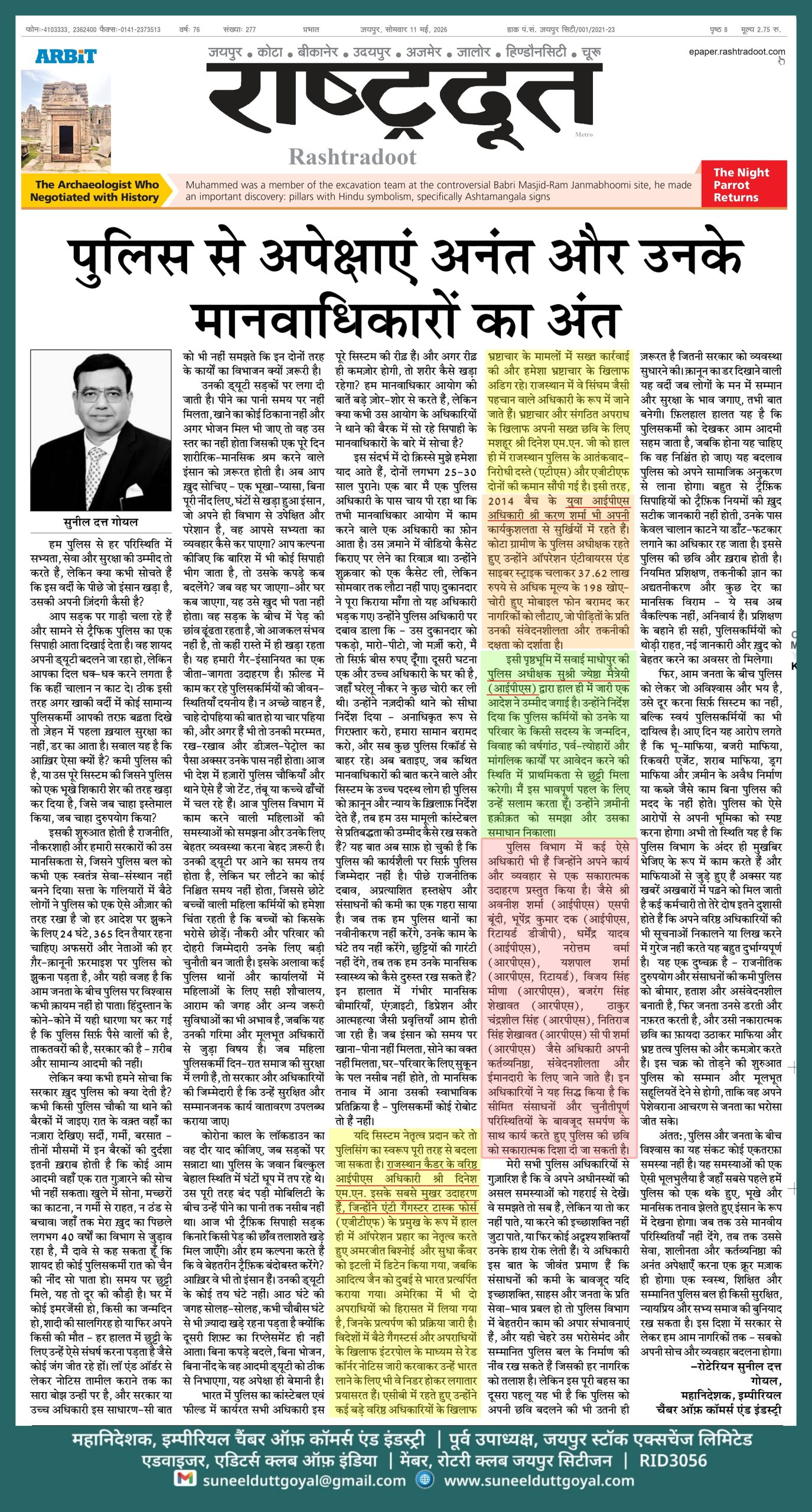
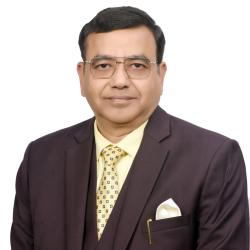
Rotarian Suneel Dutt Goyal
Director General, Imperial Chamber of Commerce and Industry,
Adviser, Editor?s Club of India,
Ex. Vice President, Jaipur Stock Exchange Limited, Jaipur, Rajasthan,
Member, Rotary Club Jaipur Citizen, (RID3056)
suneelduttgoyal@gmail.com
????? ?? ????????? ???? ?? ???? ???????????? ?? ???
?? ????? ?? ?? ????????? ??? ??????, ???? ?? ??????? ?? ?????? ?? ???? ???, ????? ???? ??? ????? ??? ?? ?? ????? ?? ???? ?? ????? ???? ??, ???? ???? ??????? ???? ???
?? ???? ?? ????? ??? ??? ??? ?? ????? ?? ??????? ????? ?? ?? ?????? ??? ????? ???? ??? ?? ???? ???? ?????? ????? ?? ??? ??, ????? ???? ??? ???-??? ???? ???? ?? ?? ???? ????? ? ??? ??? ??? ??? ??? ??? ???? ????? ??? ??? ??????? ?????????? ???? ???? ????? ???? ?? ????? ??? ???? ????? ??????? ?? ????, ?? ?? ??? ??? ???? ?? ?? ?? ????? ??? ????? ??? ??? ????? ?? ??, ?? ?? ???? ?????? ?? ????? ????? ?? ?? ???? ?????? ??? ?? ??? ???? ?? ???? ??, ???? ?? ???? ???????? ????, ?? ???? ???????? ?????
???? ?????? ???? ?? ???????, ???????? ?? ????? ??????? ?? ?? ???????? ??, ????? ????? ?? ?? ??? ?? ???????? ????-??????? ???? ???? ????? ????? ?? ???????? ??? ???? ????? ?? ????? ?? ?? ??? ????? ?? ??? ??? ?? ?? ?? ???? ?? ????? ?? ??? 24 ????, 365 ??? ????? ???? ?????? ?????? ?? ?????? ?? ?? ????-??????? ??????? ?? ????? ?? ????? ????? ??, ?? ??? ??? ?? ?? ?? ???? ?? ??? ????? ?? ??????? ??? ????? ???? ?? ????? ?????????? ?? ????-???? ??? ??? ????? ?? ?? ?? ?? ?? ????? ?????? ???? ????? ?? ??, ???????? ?? ??, ????? ?? ?? – ????? ?? ??????? ???? ?? ?????
????? ???? ??? ???? ???? ?? ????? ???? ????? ?? ???? ???? ??? ??? ???? ????? ???? ?? ???? ?? ?????? ??? ????? ??? ?? ????? ???? ?? ?????? ?????? ?????, ?????, ????? – ????? ?????? ??? ?? ?????? ?? ??????? ???? ????? ???? ?? ?? ??? ?? ???? ???? ?? ??? ???????? ?? ??? ?? ???? ????? ???? ??? ????, ??????? ?? ?????, ? ????? ?? ????, ? ??? ?? ????? ???? ?? ???? ???? ?? ????? ???? 40 ?????? ?? ????? ?? ?????? ??? ??, ??? ???? ?? ?? ???? ??? ?? ???? ?? ??? ?????????? ??? ?? ??? ?? ???? ?? ???? ??? ??? ?? ?????? ????, ?? ?? ??? ?? ????? ??? ?? ??? ??? ???????? ??, ???? ?? ??????? ??, ???? ?? ??????? ?? ?? ??? ???? ???? ?? ??? – ?? ???? ??? ?????? ?? ??? ?????? ??? ?????? ???? ????? ?? ???? ??? ??? ??? ??? ???? ?? ??? ????? ?? ???? ????? ????? ????? ?? ?? ???? ??? ?????? ?? ??, ?? ????? ?? ???? ??????? ?? ??????-?? ??? ?? ?? ???? ????? ?? ?? ????? ??? ?? ??????? ?? ?????? ????? ?????? ???
???? ?????? ?????? ?? ??? ?? ???? ??? ???? ?? ???? ??? ?? ???? ?????, ???? ?? ??? ?????? ???? ?? ??? ???? ??? ?? ??? ?? ?? ?? ???? ?? ???? ???? ????? ?? ???? ??? ???????-?????? ???? ???? ???? ????? ?? ?????? ???? ??? ?? ?? ???? ????? – ?? ????-??????, ???? ???? ???? ???, ????? ?? ???? ??? ?????, ?? ???? ?? ????? ?? ???????? ?? ?????? ??, ?? ???? ?????? ?? ??????? ???? ?? ??????
?? ?????? ????? ?? ????? ??? ?? ??? ?????? ??? ???? ??, ?? ???? ????? ?? ???????? ?? ?? ?? ???????? ?? ?? ?????, ?? ??? ??? ?? ??? ???? ????? ?? ???? ?? ??? ??? ???? ?? ???? ?????? ???? ??, ?? ???? ???? ???? ??, ?? ???? ?????? ??? ?? ???? ???? ??? ?? ????? ???-???????? ?? ?? ????-????? ?????? ???
?????? ??? ??? ?? ??? ????????????? ?? ????-????????? ????? ???? ? ????? ???? ???, ???? ??????? ?? ??? ?? ?? ??? ????? ??, ?? ??? ??? ?? ?? ???? ??????, ??-???? ?? ?????-??????? ?? ???? ????? ???? ??? ???? ????? ?? ?? ??? ??? ??????? ????? ??????? ?? ???? ??? ??? ?? ????, ???? ?? ????? ?????? ??? ?? ??? ????
?? ????? ????? ??? ??? ???? ???? ??????? ?? ???????? ?? ????? ?? ???? ??? ????? ???????? ???? ???? ?????? ??? ???? ?????? ?? ??? ?? ??? ?? ???? ??, ????? ?? ????? ?? ??? ??????? ??? ???? ????, ????? ???? ?????? ???? ????? ???????? ?? ????? ????? ???? ?? ?? ?????? ?? ????? ????? ??????? ????? ?? ?????? ?? ????? ?????????? ???? ??? ???? ?????? ?? ???? ??? ???? ????? ?? ????? ????? ?? ?????????? ??? ??????? ?? ??? ??? ??????, ???? ?? ??? ?? ???? ????? ???????? ?? ?? ???? ??, ???? ?? ???? ????? ?? ?????? ???????? ?? ????? ???? ??? ?? ????? ?????????? ???-??? ???? ?? ??????? ??? ??? ???, ?? ????? ?? ?????????? ?? ?????????? ?? ?? ?????? ???????? ?? ????????? ????? ??????? ?????? ????? ????
?????? ??? ?? ??????? ?? ?? ??? ??? ?????, ?? ?????? ?? ??????? ??? ????? ?? ???? ??????? ????? ?????? ??? ????? ??? ??? ?? ??? ??? ?? ???? ??? ??? ???? ???????? ?? ??? ?????? ???? ?? ???? ?? ???? ???? ??? ?? ?? ???????? ?????? ???? ?????? ???? ???? ?? ???? ?????? ???? ??? ??????? ?? ?? ?????? ???? ??? ?? ?? ??????? ???????? ???????? ??????? ????? ?? ?? ?? ????? ???? ???? ?????? ?? ??? ?? ???? ????? ?? ???? ?? ??? ????-????, ??? ????? ???? ?? ?? ??????? ???? ???? ????? ?? ??????? ????? ?????? ?? ??????????? ?? ???? ???? ???? ????? ????, ???? ????, ???? ???? ?? ?? ???? ?????? ?? ??? ?? ???????, ?? ??????? ?? ?????? ???
???? ??? ????? ?? ????????? ??? ????? ??? ??????? ??? ??????? ?? ???? ?????? ?? ???? ???? ?? ??? ???? ?? ?????? ????, ?? ???? ???? ???? ?????? ?? ?????????? ???? ?? ????? ???? ????-??? ?? ???? ???, ????? ???? ??? ?? ???? ?? ?????????? ?? ???? ?? ???? ??? ?? ??? ?????? ?? ???????????? ?? ???? ??? ???? ???
?? ?????? ??? ?? ??????? ???? ????? ??? ??? ???, ????? ???? 25-30 ??? ??????? ?? ??? ??? ?? ????? ??????? ?? ??? ??? ?? ??? ?? ?? ??? ?????????? ???? ??? ??? ???? ???? ?? ??????? ?? ???? ??? ??? ?? ?????? ??? ?????? ????? ????? ?? ???? ?? ?????? ??? ???????? ???????? ?? ?? ????? ??, ????? ?????? ?? ???? ???? ???? ???????? ?? ???? ?????? ????? ?? ?? ??????? ???? ??? ???????? ????? ??????? ?? ???? ???? ?? – ??? ???????? ?? ?????, ????-????, ?? ?????? ???, ??? ?? ?????? ??? ???? ??????? ????? ???? ?? ?? ???? ??????? ?? ?? ?? ??, ???? ????? ???? ?? ??? ???? ?? ?? ??? ???????? ??????? ???? ?? ???? ??????? ???? – ????????? ??? ?? ????????? ???, ????? ????? ????? ???, ?? ?? ??? ????? ??????? ?? ???? ????? ?? ?????, ?? ???? ???????????? ?? ??? ???? ???? ?? ?????? ?? ???? ????? ??? ?? ????? ?? ?????? ?? ????? ?? ??????? ??????? ???? ???, ?? ?? ?? ?????? ????????? ?? ??????????? ?? ?????? ???? ?? ???? ????
?? ??? ?? ???? ?? ???? ?? ?? ????? ?? ????????? ?? ?????? ????? ????????? ???? ??? ???? ???????? ????, ??????????? ????????? ?? ???????? ?? ??? ?? ?? ???? ???? ??? ?? ?? ?? ????? ????? ?? ???????? ???? ??????, ???? ??? ?? ???? ?? ???? ??????, ????????? ?? ?????? ???? ?????, ?? ?? ?? ???? ?????? ????????? ?? ???? ??????? ?? ???? ???? ?? ????? ??? ????? ?????? ?????????, ??????????, ???????? ?? ????????? ???? ???????????? ?? ???? ?? ??? ???? ?? ????? ?? ??? ?? ????-???? ???? ?????, ???? ?? ???? ???? ?????, ??-?????? ?? ??? ????? ?? ?? ???? ???? ????, ?? ?????? ???? ??? ??? ???? ????????? ??????????? ?? – ?????????? ??? ????? ?? ??? ?????
??? ?????? ??????? ?????? ??? ?? ???????? ?? ?????? ???? ??? ?? ???? ?? ???? ??? ???????? ???? ?? ?????? ?????? ??????? ???? ????? ??.??. ???? ???? ???? ?????? ???, ????????? ???? ???????? ????? ????? (???????) ?? ?????? ?? ??? ??? ??? ?? ??? ‘?????? ??????’ ?? ??????? ???? ??? ?????? ??????? ?? ???? ???? ?? ???? ??? ????? ???? ???, ???? ?????? ??? ?? ???? ?? ???? ??????????? ????? ???? ??????? ??? ?? ?? ????????? ?? ?????? ??? ???? ??? ??, ????? ?????????? ?? ????????? ???? ??? ??????? ??? ???? ?????????? ?? ????????? ?? ????? ??????? ?? ?????? ?? ??? ?????? ????? ???? ?????? ?????? ???? ???? ?? ??? ?? ?? ???? ???? ?????? ???????? ???? ????? ??? ???? ??? ???????? ?? ???? ?????? ?????????? ?? ????? ?????????? ?? ?????? ??? ???? ???????? ?? ?? ????? ?????????? ?? ????? ???? ???? ???????? ??? ?? ??????? ???? ????? ???? ??????? ?? ??? ??? ???? ???? ????
?????????? ?? ?????? ????? ?? ????? ???? ???? ??? ?? ??? ????? ???? ????? ??.??. ?? ?? ??? ?? ??? ???????? ????? ?? ???????-?????? ????? (?????) ?? ??????? ????? ?? ???? ????? ?? ???
??? ???, 2014 ??? ?? ???? ?????? ??????? ???? ??? ????? ?? ???? ??????????? ?? ????????? ??? ???? ???? ???? ??????? ?? ????? ??????? ???? ??? ???????? ‘?????? ????????? ??? ????? ????????’ ????? 37.62 ??? ????? ?? ???? ????? ?? 198 ???-???? ??? ?????? ??? ????? ?? ???????? ?? ?????, ?? ???????? ?? ????? ???? ??????????? ?? ?????? ?????? ?? ??????? ???
??? ????????? ??? ???? ??????? ?? ????? ??????? ?????? ???????? ???????? (??????) ?????? ??? ?? ??? ???? ?? ???? ?? ?????? ???? ??? ???????? ??????? ???? ?? ????? ???????? ?? ???? ?? ?????? ?? ???? ????? ?? ???????, ????? ?? ????????, ????-????????? ?? ??????? ??????? ?? ????? ???? ?? ?????? ??? ?????????? ?? ?????? ???? ?????? ??? ?? ???????? ??? ?? ??? ?????? ???? ???? ???? ???????? ?????? ??????? ?? ???? ?? ???? ?????? ???????
????? ????? ??? ?? ??? ??????? ?? ??? ????????? ???? ????? ?? ??????? ?? ?? ????????? ?????? ???????? ???? ??? ???? ???? ????? ????? (??????) ???? ?????, ???? ???????? ????? ?? (??????, ???????? ??????), ???? ????????? ???? (??????), ???? ??????? ????? (??????) , ???? ????? ????? (??????, ????????), ???? ???? ???? ???? (??????), ???? ????? ???? ?????? (??????), ???? ????? ???????? ???? (??????), ??????? ???? ?????? (??????), ???? ?? ?? ????? (??????) ???? ??????? ???? ?????????????, ??????????? ?? ???????? ?? ??? ???? ???? ???? ?? ?????????? ?? ?? ????? ???? ?? ?? ????? ???????? ?? ??????????? ???????????? ?? ?????? ?????? ?? ??? ????? ???? ??? ????? ?? ??? ?? ????????? ???? ?? ?? ???? ???
???? ??? ????? ?????????? ?? ???????? ?? ?? ?? ???? ????????? ?? ??? ???????? ?? ????? ?? ?????? ?? ????? ?? ?? ???, ????? ?? ?? ?? ???? ????, ?? ???? ?? ?????????? ???? ???? ????, ?? ??? ??? ?????? ???????? ???? ??? ??? ???? ????
?? ??????? ?? ??? ?? ????? ?????? ??? ?? ???????? ?? ??? ?? ?????? ??? ??????????, ???? ?? ???? ?? ????? ????-??? ????? ?? ?? ????? ????? ??? ??????? ??? ?? ???? ????????? ???, ?? ??? ????? ?? ???????? ?? ???????? ????? ?? ?? ??????? ?? ???? ?? ???? ??? ????? ?? ?????? ?? ???? ???
????? ?? ???? ??? ?? ????? ???? ?? ?? ?? ?? ????? ?? ???? ??? ????? ?? ?? ???? ?? ?????? ?? ????? ????? ?? ???????? ??????? ??? ?????? ?? ?? ?????? ???? ?? ????? ?? ????? ?? ?? ??? ?????? ?? ??????? ?? ??? ????, ??? ??? ?????? ??????? ???? ?? ?? ?? ?????????? ?? ????? ?? ???? ??? ???? ??, ???? ???? ?? ????? ?? ?? ???????? ?? ???? ?? ????? ????? ?? ???? ??????? ?????? ?? ???? ????? ???? ?? ???????? ????????? ?? ???????? ?????? ?? ???? ???? ??????? ???? ????, ???? ??? ???? ????? ????? ?? ????-????? ????? ?? ?????? ?? ???? ??? ???? ????? ?? ??? ?? ????? ???? ??? ?????? ?????????, ?????? ????? ?? ?????????? ?? ??? ??? ?? ?????? ????? – ?? ?? ?? ???????? ????, ???????? ???? ????????? ?? ????? ?? ???, ????????????? ?? ????? ????, ?? ??????? ?? ???? ?? ????? ???? ?? ???? ?? ???????
???, ?? ???? ?? ??? ????? ?? ???? ?? ???????? ?? ?? ??, ??? ??? ???? ?????? ?????? ?? ????, ????? ????? ????????????? ?? ?? ??????? ??? ?? ??? ?? ???? ???? ??? ?? ??-??????, ???? ??????, ?????? ?????, ???? ??????, ???? ?????? ?? ????? ?? ???? ??????? ?? ?????? ???? ??? ???? ????? ?? ??? ?? ???? ????? ????? ?? ??? ?????? ?? ???? ?????? ?? ?????? ???? ?????
??? ?? ?????? ?? ?? ?? ????? ????? ?? ???? ?? ?????? ????? ?? ??? ??? ??? ???? ??? ?? ???????? ?? ????? ??? ??? ????? ?? ????? ??????? ??? ????? ?? ??? ???? ?? ?? ???????? ?? ???? ??? ???? ?????? ???? ??? ?? ???? ?????? ?????????? ?? ?? ??????? ??????? ?? ??? ???? ??? ????? ???? ???? ?? ???? ?????????????? ??? ?? ?? ???????? ?? – ???????? ???????? ?? ???????? ?? ??? ????? ?? ?????, ???? ?? ?????????? ????? ??, ??? ???? ???? ???? ?? ????? ???? ??, ?? ??? ????????? ??? ?? ?????? ????? ?????? ?? ?????? ???? ????? ?? ?? ?????? ???? ???? ?? ???? ?? ?????? ?? ?????? ????? ?? ?????? ?? ?????? ????????? ???? ?? ????, ???? ?? ???? ????????? ???? ?? ???? ?? ????? ??? ????
?????, ????? ?? ???? ?? ??? ??????? ?? ?? ???? ??? ??????? ?????? ???? ??? ?? ???????? ?? ?? ??? ????????? ?? ???? ???? ???? ???? ????? ?? ?? ??? ???, ???? ?? ?????? ???? ????? ??? ????? ?? ??? ??? ????? ????? ?? ?? ??? ?????? ???????????? ???? ?????, ?? ?? ???? ????, ??????? ?? ????????????? ?? ???? ????????? ???? ?? ????? ????? ?? ????? ?? ??????, ??????? ?? ???????? ????? ?? ?? ???? ????????, ?????????? ?? ???? ???? ?? ??????? ?? ???? ??? ?? ???? ??? ????? ?? ???? ?? ?? ???????? ?? – ???? ???? ??? ?? ??????? ????? ?????
???????? ????? ???? ????
?????????, ????????? ????? ??? ?????? ??? ?????????,
???????, ??????? ???? ??? ??????,
????? ?????????, ????? ????? ???????? ???????, ?????, ????????
?????, ????? ???? ????? ??????, (RID3056)
suneelduttgoyal@gmail.com