


What is Organic Milk?
Organic milk is defined as the milk produced by cows reared on system of inputs with no chemicals, pesticides, fungicides, fertilizers and use of medicines. Use of sewage sludge is also prohibited.
Several scientific studies have demonstrated the nutritional benefits of organic milk. They show that organic milk generally contains higher levels of beneficial nutrients and vitamins than milk from non-organic cows. The studies have found that organic milk contains higher levels of beneficial compounds in the milk fats, particularly short-chain omega-3 essential fatty acids, as well as vitamin E and the antioxidant beta-carotene (which the body converts to vitamin A). Higher levels of the antioxidants lutein and zeaxanthine have also been found in milk from cows that eat a grass-based diet typical of organic farming.
Why is organic milk different?
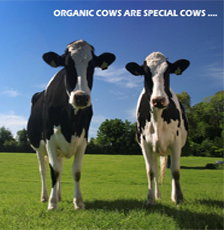
The nutritional benefits of organic milk can be explained by the diets of organic cows. Organic cows eat a much more natural diet mostly consisting of fresh grass and clover (forage). In comparison, non-organic dairy farmers are allowed to use more grain-based (concentrate) feed containing cereals, maize and protein supplements. These diets increase milk yields but also effect the nutritional composition of the milk as well as the health of the cows. By increasing milk yields, concentrate feeds place greater pressure on the animal’s physiology – leading to a shorter life, mastitis (udder infections) and other health problems.
Organic standards aim to ensure that organic cows and other livestock are reared for the quality of food they produce, rather than just maximizing quantity. This is why at least 60% of their daily diet must consist of roughage for example fresh or preserved grass (EU, 1991; 4.7). In addition, to guarantee that their food is as fresh as possible at least 50% of their feed must be grown on the farm itself or on linked holdings (ibid; 4.3). This link between healthy soil, healthy animals and healthy people lies at the heart of organic farming.
It should be noted that these beneficial nutrients are contained in the fat component of milk. The research to date has analyzed only full-fat cow’s milk direct from the farm dairy (with the exception of the Italian study which looked at buffalo milk). Levels of these nutrients are higher in whole milk compared to skimmed milk, which is virtually fat-free.
Benefits of Organic Milk:
- Produced without antibiotics: "Antibiotic overuse is a major public health problem. One of the main places where antibiotics are used today is in agriculture. Organic milk comes from organic cows that have not been treated with antibiotics, so it doesn't contribute to the growing problem of bacterial resistance."
- Produced without synthetic hormones: "Hormones are powerful. Even trace amounts can cause dramatic changes in living beings. When you choose organic milk, you know that added synthetic hormones are not stimulating the cows' milk production."
- Produced without harmful pesticides. "Agricultural pesticides are now widespread. They can even be measured in raindrops falling from the sky, fog rolling over the hills, 'fresh' snow, and in water we drink. Organic agriculture reduces pesticide exposure because it comes from organic cows that are fed food grown without chemical pesticides."
- High in Conjugated Linoleic Acids (CLAs). "CLAs are important 'good fats' that have been linked to decreased heart disease and diabetes. In fact, in the May 9 issue of the Archives of Internal Medicine, researchers from Massachusetts General Hospital and the Harvard School of Public Health reported low-fat dairy products, including milk, might lower the risk of type 2 diabetes in men.
- Excellent source of calcium- Most of America's school children are failing to get the calcium they need each day for their growing bodies. Kids 4-8 years old need 800 mg per day. Kids 9-18 need 1,300 mg of calcium per day. Organic milk contains about 300 mg per eight-ounce glass and is one great way to help kids get the calcium they need. Organically flavored milks, such as chocolate and strawberry, are popular options for kids, too.
- Organic milk is wholesome- Organic milk is a natural, whole food beverage - unlike most beverages promoted for kids that are packed full of artificial chemical ingredients. Many of them contain high fructose corn syrup, aspartame and/or artificial chemical dyes.
- Unlike factory cows, organic cows have access to open air. Organic cows from some dairy farms are allowed to graze freely in organic pasture when it is in season. This kind of farming is kind to animals, supportive of wildlife, healthy for rural communities, respectful of our air, water and soil, and healthy for children.
Quick Links
- Our Group
- Our Certifications
- Our Concept (Organic Farming)
- Our History
- Objective
- CEO Message
- Our Activities
- Collaborations & Invitation
- Current Stage
- Hygiene & Quality Control
- Future Plans
- Rosebay In News
- What is Organic Milk?
- Benefits of Organic Milk
- Need For Dairy Framing
- Dairy Farming in Desert
- Need of Organic Farming
- Animal Welfare
- Contamination of Milk