



History Of Bhilwara
The Mewar region or southern Rajasthan comprises of five districts namely Bhilwara, Chittorgarh, Udaipur, Durgapur and Banswara.
The district Bhilwara, better known as the textile city in the country, is situated between 25°.00' to 27°.50' North Latitude and 74°.03' to 75°.25' East longitude. It is bounded in the north by Ajmer District, in the north-west, west and south west by Udaipur and Rajasamand district. In the south and south south-east by Chittorgarh district.. In the east and north east by Bundi and Tonk districts.. The total length of the district from west to east is 144 km. while the breadth from North to south is 104 km approximately.
Introduction
Bhilwara has a hot dry summer and bracing cold winter. The cold season is from December to February and is followed by hot summers from March to the last week of June. The south west Monsoon season which follows, last till about mid September. The period from mid September to about the end of November constitutes the post monsoon season
Bhilwara is an industrial city in the Mewar region of Rajasthan. Famous for its textile manufacturing units, Bhilwara is encircled by Ajmer, Udaipur, Rajasamand, Chittorgarh, Bundi and Tonk districts. This land of extreme climates is known for its handicrafts, textiles, pilgrimage places and historical sites. The region traces its history to a Neolithic site at Bagore village. The first century BC pillar at Nandsa village is said to be of Vedic origin. Medieval Nagar temple architect is found at the temples of Menaal, Bijoliya and Mandalgarh. Bhilwara owes its name to the Bhil tribes who were pushed into interior lands of Rajasthan with the coming of outsider settlers. An alternate story talks of a mint in the region where ‘Bhiladi’ coins were minted thus gaving the land its name. Bhilwara is famous for its Phad paintings, Bahrupiya and Swang art, Gair dance, Jahajpur wooden toys, mozri shoes, and Lakh bangles made by the Lakhara families.
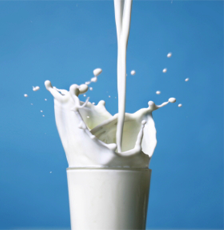
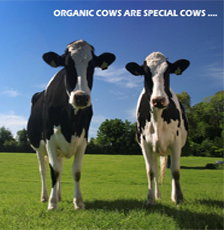
The practice of drinking the cow's dairy products is ancient, thought to date back as early as 6,000 - 8,000 B.C. dairy products were so highly valued in ancient Egypt that only the very wealthy could afford to consume them. Beginning in the 5th century A.D., the dairy products of cows and sheep began to be especially prized in Europe, but it wasn't until the 14th century that the demand for cow's dairy products began to outpace that of sheep. Dairy cows did not make an appearance in America until the early 17th century, when they were brought over from Europe. Pasteurization began in the very late 19th century, although it wasn't until the mid-20th century that a more refined technique, ultra-high temperature pasteurization, was introduced.
Quick Links
- Our Group
- Our Certifications
- Our Concept (Organic Farming)
- Our History
- Objective
- CEO Message
- Our Activities
- Collaborations & Invitation
- Current Stage
- Hygiene & Quality Control
- Future Plans
- Rosebay In News
- What is Organic Milk?
- Benefits of Organic Milk
- Need For Dairy Framing
- Dairy Farming in Desert
- Need of Organic Farming
- Animal Welfare
- Contamination of Milk